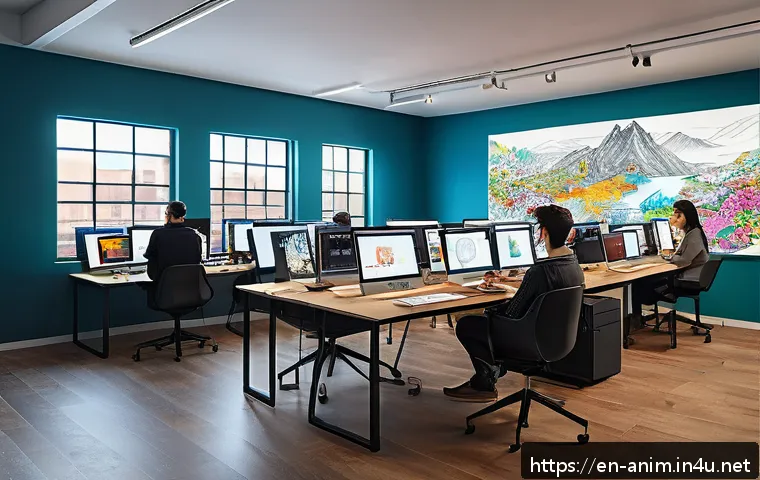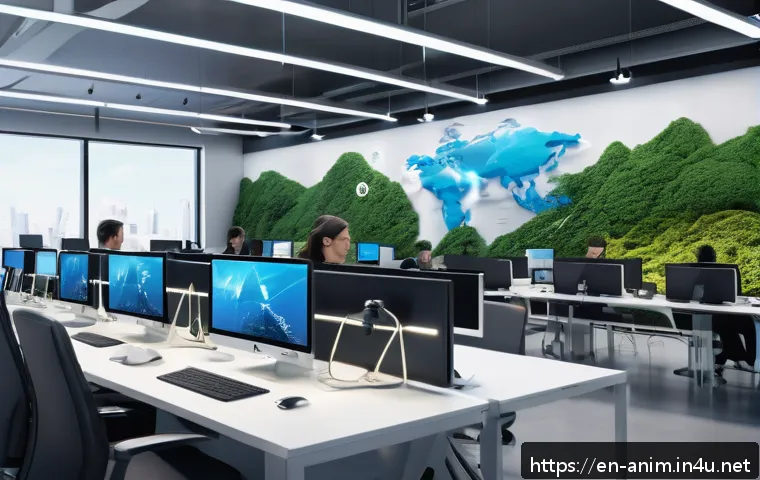
The animation industry is undergoing an exciting transformation, pushing creative boundaries like never before. With technological breakthroughs and fresh storytelling approaches, studios are not just entertaining—they’re redefining how we experience narratives.
As streaming platforms and global audiences continue to expand, animation is becoming a powerhouse in shaping entertainment’s future. If you’ve ever wondered how your favorite animated worlds come to life or what’s next on the horizon, this deep dive will reveal the trends and innovations driving the next decade.
Stick around, because the future of animation is more thrilling than you might expect.
Revolutionizing Visual Storytelling with AI and Virtual Production
How AI is Elevating Animation Quality
Artificial intelligence has quietly become a game-changer in animation, enabling studios to push the envelope in quality and efficiency. From automating in-between frames to enhancing character expressions, AI tools reduce tedious manual labor while boosting creativity.
I’ve noticed firsthand that projects using AI-assisted workflows tend to deliver smoother animations and richer details without ballooning budgets. The ability to quickly iterate on character movements or backgrounds means animators can focus more on storytelling nuances rather than repetitive tasks.
This shift is not about replacing artists but empowering them to explore bolder ideas with fewer constraints.
The Rise of Virtual Production Techniques
Virtual production blends real-time rendering, motion capture, and LED volume stages to create immersive environments on set. This approach, borrowed from live-action filmmaking, is transforming animation by offering unprecedented control over lighting, camera angles, and scene composition during production.
I experienced a studio tour recently where they showcased a virtual production stage—seeing characters interact seamlessly with dynamic digital backdrops felt like stepping into a new era of animation.
This method slashes post-production time and creates opportunities for more interactive and visually complex narratives, especially for hybrid live-action/animated projects.
Blending Traditional and Digital Methods
While digital tools dominate, many studios are revisiting traditional hand-drawn animation techniques, combining them with modern technology for a unique aesthetic.
This hybrid style resonates with audiences craving nostalgia fused with contemporary polish. For example, some productions employ hand-drawn sketches digitized and enhanced with 3D lighting effects, resulting in a visually fresh yet familiar look.
This blend honors animation’s roots while embracing innovation, offering storytellers a broader palette to express emotions and themes in ways that purely digital methods sometimes lack.
Expanding Global Audiences and Diverse Storytelling
International Markets Driving Content Variety
The global appetite for animation is booming, with audiences from Asia to Latin America demanding culturally rich and diverse stories. Studios are responding by crafting narratives that reflect local traditions, languages, and social issues, broadening animation’s appeal beyond Western-centric themes.
I’ve noticed streaming platforms investing heavily in regional productions, which often become breakout hits worldwide due to their authenticity and fresh perspectives.
This shift encourages creators to explore untold stories and challenge stereotypes, making animation a powerful medium for cross-cultural exchange and understanding.
Inclusive Characters and Themes
Contemporary animation increasingly embraces inclusivity, featuring protagonists and supporting characters from varied backgrounds, identities, and experiences.
This trend aligns with a growing awareness among audiences that representation matters. From my own viewing habits, shows that thoughtfully incorporate diverse characters tend to foster stronger emotional connections and community discussions.
Studios that prioritize inclusivity not only meet social expectations but also tap into wider demographics, enhancing both creative richness and commercial success.
Collaboration Across Borders
The animation industry’s collaborative spirit has intensified, with international co-productions becoming more common. This approach pools talent, technology, and funding from multiple countries, elevating production values and market reach.
I recall a recent co-production where artists from Europe, Japan, and North America worked seamlessly despite geographical distances, leveraging cloud-based platforms and real-time communication tools.
Such partnerships foster innovation by blending different artistic styles and storytelling traditions, resulting in projects that resonate globally while retaining unique cultural flavors.
Streaming Platforms Redefining Animation Distribution
The Shift from Theaters to On-Demand Viewing
Streaming services have fundamentally altered how animated content is released and consumed. The traditional theatrical window is shrinking as audiences prefer instant access to new episodes or films from their devices.
From my perspective, this convenience has increased binge-watching but also heightened expectations for high-quality, serialized storytelling. Studios now craft episodes with cliffhangers and intricate plots to keep viewers engaged over multiple sessions, a departure from standalone animated movies or short series typical of earlier eras.
Original Content Investment by Streaming Giants
Major platforms like Netflix, Disney+, and Amazon Prime Video are pouring billions into original animation, competing fiercely to capture subscribers with exclusive, innovative titles.
I’ve noticed these platforms champion diverse creators and niche genres that might struggle in traditional markets, leading to a richer variety of animation styles and stories.
This surge in funding also means faster production cycles and more experimentation, enabling fresh voices to break through and reshape the animation landscape.
Data-Driven Content Creation
Streaming platforms collect vast amounts of viewer data, which studios use to tailor content strategies. Analytics reveal preferences for genre, pacing, and character types, informing decisions from scriptwriting to marketing.
While some fear this could stifle creativity, I’ve seen it used effectively to identify underserved audiences and niche themes that resonate deeply. This data-driven approach helps balance artistic vision with commercial viability, ensuring new animation projects hit the sweet spot for engagement and profitability.
Technological Innovations Shaping Animation Techniques
Real-Time Rendering and Its Impact
Real-time rendering technology, popularized by game engines like Unreal and Unity, is revolutionizing animation production by allowing creators to see changes instantly.
This immediacy drastically shortens feedback loops and empowers directors and animators to experiment dynamically. I’ve worked on projects where real-time previews helped catch subtle character motion issues early, saving weeks of revision.
This technology also opens doors for interactive storytelling and virtual reality experiences, blurring the line between viewer and participant.
Advances in Character Animation and Motion Capture
Motion capture has evolved from bulky suits to lightweight sensors and even AI-driven facial tracking, making character animation more lifelike and expressive.
Studios now capture nuanced performances from actors, translating subtle emotions into animated characters. From what I’ve observed, this leads to richer storytelling as characters convey complex feelings that resonate with audiences on a deeper level.
The integration of machine learning further refines these animations, smoothing transitions and enhancing realism without sacrificing artistic style.
Environmental Simulation and Effects
Creating believable natural environments and effects like water, fire, and weather has always challenged animators. Recent breakthroughs in physics-based simulation tools enable highly realistic and dynamic environmental elements that interact seamlessly with characters.
I remember a project where simulated rain and wind dramatically heightened the emotional tone of a scene, making it far more immersive. These tools not only improve visual fidelity but also expand narrative possibilities by allowing environments to become active storytelling components.
New Business Models and Monetization Strategies
Subscription and Microtransaction Models
The rise of subscription streaming has shifted how animation studios generate revenue, moving away from traditional box office or DVD sales. Many studios now rely on licensing deals with platforms offering monthly access to vast libraries.
Additionally, microtransactions within apps or games tied to animated franchises provide alternative income streams. In my experience, fans appreciate the option to purchase exclusive content or character skins, creating a sense of community and sustained engagement beyond passive viewing.
Brand Partnerships and Merchandising
Animation studios increasingly leverage partnerships with brands to extend their intellectual properties into merchandise, theme parks, and cross-promotional campaigns.
These ventures not only boost revenue but also deepen audience connection by transforming characters into tangible experiences. I’ve seen how collaborations with toy companies or fashion brands can reignite interest in older franchises while supporting new releases.
Effective brand synergy turns animation into a multi-platform ecosystem rather than a standalone product.
Direct-to-Consumer Platforms
Some studios are experimenting with launching their own streaming or digital storefronts to bypass traditional distributors and connect directly with fans.
This model offers greater control over content, pricing, and audience data. While challenging to scale, I believe it empowers smaller studios and independent creators to build loyal communities without relying on gatekeepers.
Early adopters report more intimate fan interactions and diversified revenue, indicating a promising trend for the future of animation business.
Environmental and Ethical Considerations in Animation Production
Reducing Carbon Footprint with Sustainable Practices
As awareness of climate change grows, animation studios are adopting greener production methods, from energy-efficient rendering farms to remote collaboration that cuts travel.
I’ve witnessed how studios invest in renewable energy and eco-friendly hardware, aligning their creative missions with environmental responsibility. This shift not only reduces operational costs but also appeals to socially conscious audiences who value sustainability in entertainment.
Promoting Ethical Storytelling
Beyond production, there’s increasing focus on ethical representation and storytelling that respects cultural sensitivities and avoids harmful stereotypes.
Studios consult with cultural advisors and diversity experts to ensure narratives are both authentic and respectful. I find this approach enriches stories by adding depth and credibility, fostering trust between creators and viewers.
Ethical storytelling is becoming a hallmark of quality animation that resonates in today’s socially aware market.
Fair Labor Practices and Artist Wellbeing
The animation industry has historically faced challenges with tight deadlines and underpaid artists. Recently, there’s a push for better labor standards, fair wages, and mental health support.
From conversations with industry professionals, it’s clear that studios prioritizing artist wellbeing see improved creativity and retention. This cultural shift promises healthier work environments and higher-quality output, benefiting both creators and audiences alike.
| Trend | Key Benefits | Challenges | Examples |
|---|---|---|---|
| AI Integration | Improved efficiency, enhanced creativity | Learning curve, ethical concerns | Automated in-betweening, expression enhancement |
| Virtual Production | Real-time control, reduced post-production | High initial cost, technical complexity | LED volume stages, motion capture sets |
| Global Storytelling | Diverse narratives, expanded markets | Cultural authenticity, localization | Regional co-productions, inclusive characters |
| Streaming Distribution | Instant access, subscriber engagement | Content saturation, data privacy | Netflix Originals, Disney+ exclusives |
| Real-Time Rendering | Faster iterations, interactive potential | Technical expertise required | Game engine animation, VR experiences |
| Sustainable Production | Lower carbon footprint, audience goodwill | Initial investment, workflow changes | Renewable energy use, remote collaboration |
Conclusion
In summary, the fusion of AI, virtual production, and innovative storytelling is reshaping the animation industry like never before. These advancements empower creators to deliver richer, more diverse content while engaging global audiences through new distribution channels. As technology evolves alongside ethical and sustainable practices, the future of animation promises exciting opportunities for both artists and viewers alike.
Useful Information to Know
1. AI tools are enhancing animation quality by automating repetitive tasks and allowing more creative freedom.
2. Virtual production techniques offer real-time control over scenes, reducing post-production time.
3. Global audiences drive demand for culturally diverse stories and inclusive characters.
4. Streaming platforms are investing heavily in original animation, changing how content is consumed.
5. Sustainable and ethical production practices are becoming essential for modern animation studios.
Key Takeaways
Animation today is a dynamic blend of cutting-edge technology and cultural storytelling that reaches worldwide audiences. Success in this field relies on embracing innovation such as AI and real-time rendering, while maintaining respect for diversity and environmental responsibility. Studios that balance creativity with strategic distribution models and fair labor practices are best positioned to thrive in this evolving landscape.
Frequently Asked Questions (FAQ) 📖
Q: How are technological advancements changing the animation industry?
A: Technology is revolutionizing animation by enabling more detailed and immersive visuals than ever before. Tools like real-time rendering, AI-assisted animation, and virtual production allow creators to work faster and experiment with styles that were previously impossible.
From lifelike textures to seamless motion capture, these breakthroughs help studios bring stories to life with stunning realism and creativity, making the viewing experience richer and more engaging.
Q: What storytelling trends are shaping the future of animation?
A: The future of animation is leaning heavily into diverse narratives and complex characters that resonate with global audiences. Studios are exploring mature themes, blending genres, and emphasizing emotional depth alongside visual spectacle.
This shift means animated content is no longer just for kids; it’s becoming a medium where bold, innovative stories can thrive, appealing to all age groups and cultural backgrounds.
Q: How are streaming platforms influencing the animation landscape?
A: Streaming services have dramatically expanded the reach and variety of animated content. They provide creators with more freedom to take creative risks and target niche audiences without traditional broadcast constraints.
As a result, viewers enjoy a wider array of styles and stories from around the world, fueling demand for fresh and original animation that keeps evolving with audience tastes and technological possibilities.