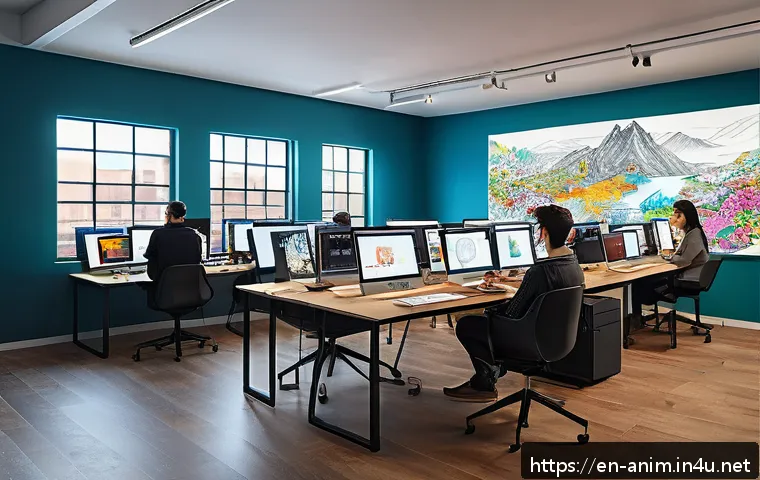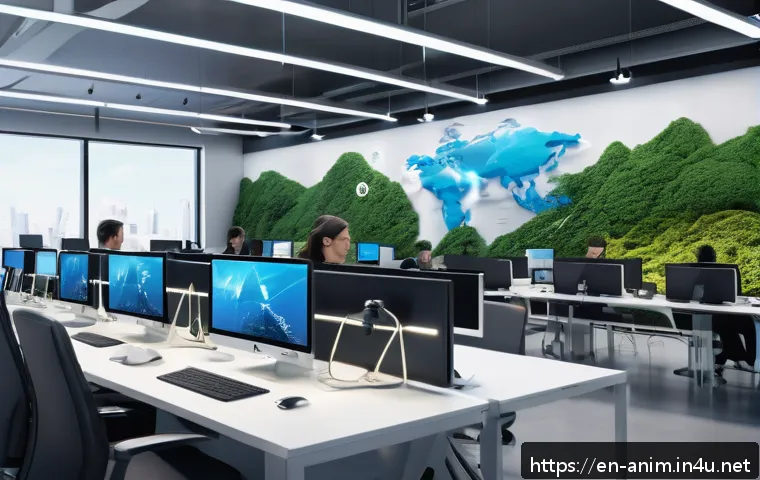
Lately, the animation world is buzzing with a game-changing shift—cloud technology is transforming how stories come to life. As studios embrace this digital evolution, creativity is no longer limited by traditional constraints.

Imagine artists collaborating seamlessly from different corners of the globe, bringing vibrant tales to screens faster and with richer detail than ever before.
If you’re curious about how this tech revolution is reshaping storytelling, stay tuned—there’s a fascinating journey ahead that’s redefining imagination itself.
Revolutionizing Collaboration Across Continents
Breaking Down Geographical Barriers
Cloud technology has truly dissolved the walls that once separated animation teams by location. Gone are the days when animators had to be physically present in the same studio to work effectively.
Now, artists in Tokyo, storyboard writers in Los Angeles, and sound engineers in London can all contribute to a single project simultaneously. From my experience working with remote teams, this global connectivity not only speeds up the production process but also enriches the creative input, as diverse perspectives blend in real time.
The cloud acts like a virtual studio, enabling seamless file sharing and instant feedback that traditional methods could never match.
Streamlining Workflow with Real-Time Updates
One of the most impressive aspects of cloud-based animation production is the real-time synchronization it offers. Imagine making an edit on a character’s design in New York and having the animation team in Seoul see the update immediately.
This eliminates the frustrating delays of file transfers and version confusion that used to plague projects. In practice, I’ve noticed teams become more agile, able to pivot quickly when creative decisions change, which is crucial in fast-paced production environments.
Cloud platforms often come with built-in tools for project management, making it easier to track progress and deadlines without juggling multiple apps.
Security and Accessibility: Balancing the Two
While the cloud offers incredible accessibility, studios naturally worry about protecting their intellectual property. Thankfully, modern cloud solutions incorporate advanced encryption and access controls that keep sensitive files safe from unauthorized access.
From my personal dealings with cloud services, the key is selecting platforms that prioritize security without compromising ease of use. This balance ensures creative teams can access what they need anytime, anywhere, while studios maintain strict control over who can view or edit their work.
It’s a win-win that encourages creative freedom within a secure environment.
Enhancing Visual Quality Through Cloud Rendering
Leveraging Massive Computing Power
Rendering high-quality animation has historically been a time-consuming bottleneck, often requiring expensive hardware setups. Cloud rendering changes the game by providing virtually unlimited computing power on demand.
Studios can now offload heavy rendering tasks to powerful cloud servers, freeing up local machines for creative work. In my own projects, this meant cutting down rendering times from hours or days to mere minutes.
The speed boost not only accelerates production but also allows for iterative improvements, making it easier to polish visuals to perfection.
Cost Efficiency and Scalability
Investing in a massive render farm is no small expense, and smaller studios often struggle with the upfront costs. Cloud rendering offers a scalable alternative where studios pay only for the resources they use.
This “pay-as-you-go” model democratizes access to high-end technology, enabling even indie animators to produce cinematic-quality work. I’ve seen firsthand how this flexibility helps teams stay within budget while still pushing creative boundaries.
Moreover, the ability to scale resources up or down depending on project demands adds a layer of financial agility that traditional methods can’t offer.
Reducing Technical Complexity
Managing on-premise rendering farms requires dedicated IT staff and constant maintenance, which can divert focus from creativity. Cloud rendering services typically come with user-friendly interfaces and automated workflows, simplifying the technical side of production.
My experience collaborating with cloud providers showed me how much time studios save by avoiding hardware troubleshooting and software updates. This ease of use means artists and producers can concentrate on storytelling, confident that their rendering needs are handled efficiently behind the scenes.
Empowering Creative Freedom with Cloud-Based Tools
Access to Cutting-Edge Software Anywhere
Cloud technology has unlocked access to premium animation software without the need for powerful local machines. Artists can log in from any device and tap into the latest tools and plugins hosted in the cloud.
This flexibility is a game changer, especially for freelancers or teams spread across different regions. Personally, I’ve enjoyed the freedom to work on my projects during travel or from home, knowing I’m not limited by my laptop’s specs.
Cloud-based software updates automatically, ensuring everyone stays on the latest version without compatibility headaches.
Facilitating Experimentation and Iteration
Creative work thrives on trial and error, but traditional setups often discouraged frequent experimentation due to time and resource constraints. Cloud environments encourage artists to try bold ideas because they can quickly save, revert, or branch off versions without worrying about local storage limitations.
I remember how, during a recent animation project, the ability to instantly test different visual effects and share them with the team for feedback accelerated our creative process dramatically.
This iterative freedom nurtures innovation and results in richer storytelling.
Collaboration Beyond Animation: Integrating Sound and Effects
Animation doesn’t exist in isolation—sound design, music scoring, and special effects all play vital roles. Cloud platforms increasingly support integrated workflows that bring these disciplines together in one virtual space.
From my observations, having composers and sound engineers work alongside animators within the same cloud environment fosters tighter synchronization and more cohesive results.
It’s like having the entire production orchestra in the same digital room, fine-tuning the final performance collectively.
Optimizing Production Schedules and Budgets with Cloud Solutions
Faster Turnaround Times
The pressure to meet tight deadlines is a constant in animation production. Cloud technology’s ability to streamline collaboration and speed up rendering translates directly into shorter project timelines.
My involvement in cloud-powered projects showed me how studios can confidently promise faster delivery without sacrificing quality. This speed not only satisfies client demands but also opens opportunities to take on more projects or explore additional creative avenues within the same timeframe.
Improved Budget Management
Budget overruns are a common pitfall in animation, often caused by unexpected technical issues or inefficient workflows. Cloud tools provide greater transparency into resource usage and costs, helping producers forecast expenses more accurately.
I’ve seen producers use cloud dashboards to monitor spending in real time, adjusting resource allocation to prevent waste. This financial insight empowers studios to optimize their investments and maximize return on creativity.
Flexible Resource Allocation
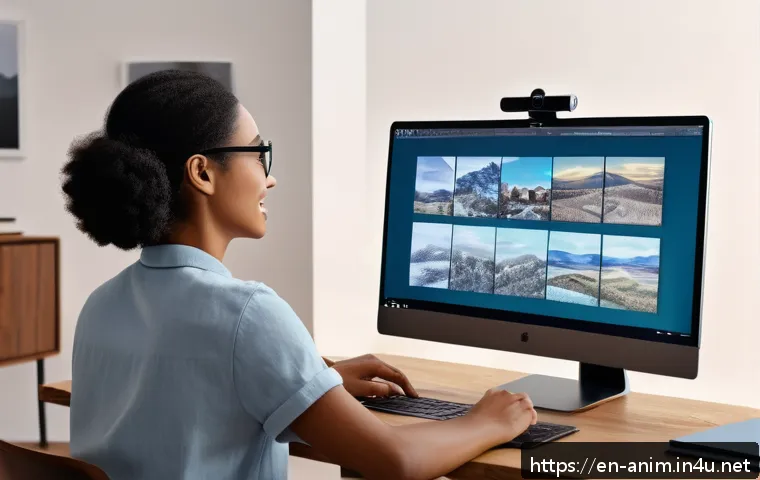
Projects rarely progress linearly; some phases demand heavy computing power, while others require more human creativity. Cloud solutions offer the flexibility to scale resources up or down as needed, preventing idle capacity or bottlenecks.
From my perspective, this elasticity is a huge advantage compared to fixed infrastructure. It means studios can tailor their production pipelines dynamically, responding to the unique needs of each project phase without locking into rigid setups.
Breaking Creative Boundaries with AI and Cloud Integration
Accelerating Routine Tasks
AI tools hosted on the cloud are transforming how animators handle repetitive tasks like inbetweening, coloring, or background generation. By automating these time-consuming processes, artists gain more time to focus on storytelling and character development.
I’ve experimented with AI-assisted workflows and found that while the technology handles the grunt work, human creativity remains at the heart of the final product.
This synergy enhances productivity without compromising artistic integrity.
Enabling Smarter Collaboration
AI-driven analytics and project management tools in the cloud help teams identify bottlenecks, predict delays, and optimize resource use. From my experience, these insights enable producers and directors to make informed decisions quickly, keeping projects on track.
The combination of AI and cloud creates a proactive production environment rather than reactive firefighting, which is a refreshing shift for busy studios.
Opening New Storytelling Possibilities
With AI-enhanced cloud platforms, animation studios are experimenting with interactive and personalized content that adapts to viewer preferences. This next frontier in storytelling excites me because it blends technology and creativity in unprecedented ways.
Imagine animations that evolve based on audience reactions or user choices, made possible by cloud-hosted AI algorithms working behind the scenes. This opens a vast playground for innovation, pushing the boundaries of how stories can be told.
Comparing Traditional vs. Cloud-Based Animation Workflows
| Aspect | Traditional Workflow | Cloud-Based Workflow |
|---|---|---|
| Collaboration | Limited to local teams, slow file transfers | Global, real-time collaboration with instant updates |
| Rendering | On-premise farms, costly and time-consuming | Scalable cloud rendering, faster and cost-efficient |
| Software Access | Installed locally, version control issues | Accessible anywhere with automatic updates |
| Security | Physical security, risk of hardware failure | Encrypted, controlled access with cloud safeguards |
| Budget Flexibility | High upfront costs, fixed capacity | Pay-as-you-go, scalable resources |
| Creative Freedom | Limited by hardware and software constraints | Enhanced by AI tools and iterative workflows |
Future Prospects: The Cloud as the Animation Studio of Tomorrow
Expanding Global Talent Pools
As cloud technology matures, animation studios will increasingly tap into global talent without geographical restrictions. This democratization of access allows emerging artists worldwide to contribute to major productions, enriching the creative landscape with fresh ideas and cultural diversity.
From my conversations with industry insiders, this trend is already reshaping hiring practices and project composition.
More Immersive and Interactive Experiences
The cloud’s ability to handle vast data streams and complex computations paves the way for immersive animation formats like virtual reality and augmented reality.
These experiences require seamless integration of real-time rendering and multi-user collaboration, capabilities that cloud platforms are uniquely positioned to deliver.
Having tried some early VR animation projects, I can say this is a thrilling direction that will redefine how audiences engage with animated stories.
Continued Innovation Through AI and Automation
Looking ahead, AI-powered cloud tools will keep evolving, automating increasingly sophisticated tasks and providing creative suggestions. This doesn’t mean replacing artists but augmenting their capabilities, letting imagination soar higher.
Based on my observations, the studios that embrace this symbiosis of human creativity and cloud intelligence will lead the next wave of animation innovation, crafting stories that resonate deeply with global audiences.
Conclusion
Cloud technology is transforming the animation industry by enabling seamless global collaboration, accelerating production timelines, and enhancing creative possibilities. From my experience, embracing cloud-based workflows not only boosts efficiency but also fosters innovation and inclusivity. As studios continue to integrate AI and scalable resources, the future of animation looks more dynamic and accessible than ever before.
Useful Information to Keep in Mind
1. Cloud collaboration breaks down geographical barriers, allowing diverse teams to work together in real time.
2. Real-time updates and project management tools improve workflow agility and reduce delays.
3. Advanced security measures in cloud platforms protect sensitive creative assets without sacrificing accessibility.
4. Cloud rendering offers cost-effective scalability, speeding up production and enabling high-quality visuals.
5. AI integration in cloud environments automates routine tasks and opens new creative avenues for storytelling.
Key Takeaways
Animation studios benefit greatly from adopting cloud solutions that enhance flexibility, security, and creative freedom. The shift from traditional workflows to cloud-based systems results in faster turnaround times, better budget control, and more effective collaboration across disciplines. Embracing AI and cloud integration is essential for studios aiming to stay competitive and push the boundaries of animated storytelling in today’s digital landscape.
Frequently Asked Questions (FAQ) 📖
Q: uestions about Cloud Technology in
A: nimation
Q: How does cloud technology improve collaboration among animation teams?
A: Cloud technology allows artists, animators, and other creative professionals to work together in real-time regardless of their physical location. This means a team in New York can seamlessly collaborate with another in Tokyo without delays caused by file transfers or software incompatibility.
Personally, I’ve seen projects speed up significantly because feedback and edits happen instantly, reducing the typical back-and-forth that slows down traditional workflows.
Q: What are the benefits of using cloud platforms for animation production?
A: Cloud platforms offer scalable computing power, enabling studios to render complex scenes faster and with higher quality than before. From my experience, this eliminates the need for expensive in-house hardware upgrades and allows smaller studios to compete with industry giants.
Plus, cloud storage ensures that all assets are securely backed up and easily accessible, which is a game changer for managing large animation projects efficiently.
Q: Are there any challenges or risks associated with adopting cloud technology in animation?
A: While cloud technology brings many advantages, there are challenges like ensuring data security and managing internet connectivity issues. For example, if a studio’s internet is unstable, it can disrupt access to cloud resources, causing delays.
Also, studios need to carefully choose reliable cloud service providers to protect their intellectual property. However, with proper planning and security protocols, these risks can be minimized, making the cloud a powerful tool for modern animation workflows.