In today’s fast-evolving animation industry, creating memorable characters is more crucial than ever. With streaming platforms flooding the market, studios must craft designs that not only captivate audiences but also stand out in a crowded landscape.
Whether you’re a seasoned artist or just starting, understanding the core principles of character design can transform your work from ordinary to iconic.
I’ve spent years navigating this creative journey, and the insights I’m about to share have helped me create characters that resonate deeply with viewers.
Let’s dive into the essential guidelines that will elevate your character design skills and unlock new opportunities in animation storytelling.
Crafting Distinctive Silhouettes That Speak Volumes
Why Silhouettes Matter More Than You Think
Creating a silhouette that instantly communicates a character’s essence is a game-changer in animation design. When viewers can recognize a character just by their outline, it means the design has achieved clarity and uniqueness.
From my experience, focusing on silhouette early in the process forces you to distill the character’s personality into pure shape language, which helps avoid cluttered or generic designs.
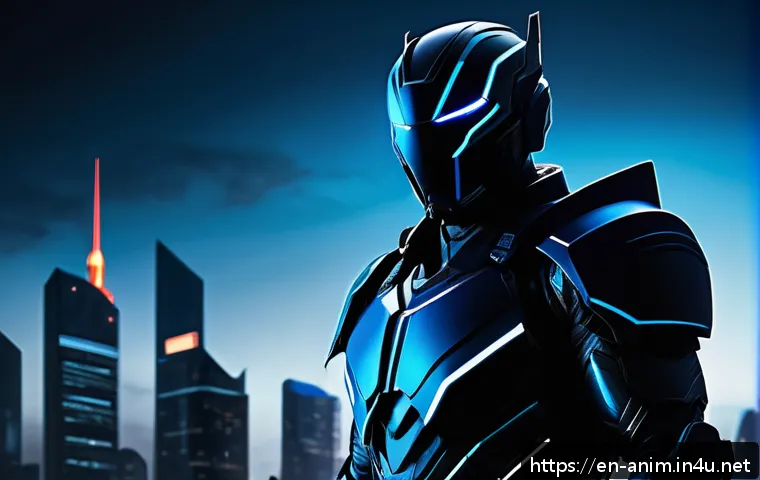
Imagine a hero whose silhouette is strong and angular, evoking confidence and power, versus a villain with sharp, jagged edges suggesting menace. This approach makes characters memorable even in fast-paced scenes or crowded frames.
Techniques to Develop Powerful Silhouettes
Start by sketching your character in pure black, removing all details to focus solely on form. Experiment with exaggeration—play with proportions, such as an oversized head or elongated limbs, to create a unique presence.
Avoid symmetry unless it serves a specific purpose, since asymmetry often adds visual interest and dynamic energy. I personally like to walk away from the screen and glance at the silhouette on its own; if it doesn’t tell a story or evoke curiosity, it’s time to rethink the shape.
Incorporating iconic elements, like a distinctive hat or weapon, into the silhouette can also help solidify identity.
Balancing Simplicity and Complexity
A silhouette should be simple enough to recognize quickly but complex enough to hold visual interest. Overly intricate shapes can get lost or confuse the audience, especially on smaller screens or thumbnails.
On the other hand, too much simplicity risks making the character forgettable. I’ve learned that the sweet spot lies in focusing on key features that define the character’s role and personality, then refining those shapes until they feel cohesive.
This balance is crucial for characters in today’s saturated content market, where first impressions count.
Color Choices That Amplify Personality and Mood
Understanding Color Psychology in Animation
Colors speak louder than words in character design. They can subtly influence how viewers perceive a character’s emotions, intentions, or background without explicit dialogue.
For example, warm colors like reds and oranges often signal energy, passion, or aggression, while cool colors such as blues and greens suggest calmness, intelligence, or mystery.
When I designed a recent character, using muted earth tones helped ground them in a more realistic, relatable world, whereas bright neon hues conveyed a futuristic vibe for another.
Knowing these emotional triggers is essential to making color choices that feel intentional and impactful.
Creating a Harmonious Palette
A well-chosen color palette enhances cohesion and readability. I recommend limiting your palette to three to five main colors to maintain consistency across different scenes and lighting conditions.
Use complementary colors to create contrast, which helps characters stand out from their environment or other cast members. Don’t forget the power of accents—a small splash of an unexpected color can draw the eye and add personality.
For example, a mostly muted outfit with a vivid accessory can speak volumes about a character’s uniqueness or rebellious streak.
Adapting Colors for Different Mediums
Colors often look different depending on the screen or medium, which can affect how your character is perceived. I’ve had instances where a color that looked perfect on a desktop monitor appeared washed out on a phone or tablet.
Testing your palette across devices is crucial. Also, consider cultural differences in color interpretation if your animation targets global audiences.
What’s seen as lucky or positive in one culture might carry a completely different meaning elsewhere, so tailoring palettes accordingly can enhance connection and avoid unintended messages.
Expressive Features That Bring Characters to Life
The Power of Eyes and Facial Expressions
Eyes are often called the windows to the soul, and that couldn’t be truer for animation. The way a character’s eyes move, their shape, size, and color can instantly convey mood and personality.
For example, large, rounded eyes tend to make characters appear more innocent or approachable, while narrow, angular eyes can suggest cunning or intensity.
I’ve found that giving characters subtle asymmetries or imperfections in their expressions makes them feel more relatable and alive. Overly perfect features can sometimes create a sense of artificiality.
Mastering Body Language and Gestures
Body language is a silent yet powerful storytelling tool. How a character stands, moves, or reacts says a lot about their confidence, background, or emotional state.
When designing, think about how posture complements personality: a slouched figure might indicate insecurity or fatigue, whereas an upright stance exudes strength and pride.
I often create gesture sketches to explore these dynamics before finalizing the design. This practice allows me to ensure that the character’s physicality supports their narrative role without needing words.
Adding Unique Details That Spark Curiosity
Small, thoughtful details can elevate a character from good to unforgettable. Scar marks, tattoos, quirky accessories, or distinctive hairstyles can hint at backstory or cultural identity.
I like to incorporate these elements organically rather than randomly, tying them to the character’s history or personality. For instance, a character who loves nature might have leaf-shaped jewelry or earthy textures in their clothing.
These nuances invite viewers to look closer and connect emotionally, deepening engagement with the story.
Designing with Story and Environment in Mind
Aligning Design with Narrative Themes
Characters don’t exist in a vacuum—they are part of a larger story world. Aligning design elements with the narrative theme helps reinforce storytelling visually.
For example, in a dystopian setting, characters might have worn, patched clothing and rugged features to reflect hardship. In contrast, a fantasy world might feature elaborate costumes with symbolic motifs.
When I approach design, I always ask myself how each choice supports the story’s mood and message, which helps keep everything cohesive and immersive.
Considering Interaction with Environment and Other Characters

Characters must feel like they belong in their environment and interact naturally with other characters. This means considering how their size, shape, and color contrast or complement the surroundings.
A bulky character in a cramped, delicate setting might feel out of place, while one designed with similar visual cues as the environment blends better.
Also, think about how characters visually relate to each other to avoid confusion or unintended hierarchy. I’ve found that color coding or contrasting shapes among groups helps audiences quickly differentiate roles and relationships.
Practicality and Animation Constraints
Designs need to be functional for animators to bring them to life efficiently. Overly complex details or tricky shapes can slow down production and limit expressiveness.
I learned early on to balance aesthetic ambition with practicality by collaborating closely with animation teams. Simplifying complex elements without losing character essence ensures smoother animation workflows.
This approach not only saves time and budget but often results in cleaner, more readable characters on screen.
Using References and Feedback to Refine Your Designs
The Importance of Diverse Visual References
Gathering a wide range of references—from real life, historical art, to pop culture—enriches your creative toolbox. I find that stepping outside traditional animation sources sparks fresh ideas and prevents clichés.
For example, studying fashion trends or animal anatomy can inspire unexpected character traits. References also help maintain accuracy and believability, especially for culturally specific or fantastical designs.
When I incorporate diverse influences thoughtfully, the result feels both original and grounded.
Welcoming Constructive Criticism
No design is perfect on the first try, and getting feedback is crucial to growth. I’ve been through countless iterations where peers or mentors pointed out issues I hadn’t noticed, such as unclear shapes or inconsistent proportions.
Embracing critique with an open mind leads to stronger, more polished characters. It’s helpful to present designs in different contexts—line art, color, and animation tests—to catch potential problems early.
Feedback loops are a creative lifeline that keeps designs sharp and audience-ready.
Iterative Process and Staying Flexible
Character design is rarely linear. Often, initial concepts evolve dramatically as story elements or production needs shift. Staying flexible and revisiting your designs throughout development ensures they remain relevant and effective.
I’ve had moments where a small tweak—like adjusting a hairstyle or color tone—transformed a character’s appeal entirely. Treat your designs as living documents that grow alongside the project, and don’t hesitate to experiment or pivot when necessary.
Key Elements Comparison for Effective Character Design
| Design Element | Purpose | Best Practices | Common Pitfalls |
|---|---|---|---|
| Silhouette | Instant recognition and personality | Focus on unique, clear shapes; use exaggeration; test in black | Overly complex or symmetrical shapes that confuse viewers |
| Color Palette | Conveys mood and emotional cues | Limit colors; use complementary contrasts; test on devices | Excessive colors; ignoring cultural meanings; poor visibility |
| Facial Features | Express emotions and individuality | Use asymmetry; emphasize eyes; subtle imperfections | Too perfect or generic faces that lack personality |
| Body Language | Non-verbal storytelling | Align posture with personality; sketch gestures early | Rigid or inconsistent poses that break immersion |
| Details & Accessories | Add depth and backstory hints | Integrate meaningfully; avoid clutter; highlight uniqueness | Random or excessive details that distract from core design |
Leveraging Technology to Enhance Design Workflow
Digital Tools That Speed Up Creativity
Modern software like Procreate, Clip Studio Paint, and Adobe Photoshop has revolutionized character design. These tools offer layers, brushes, and instant undo options that let me experiment fearlessly without the fear of ruining a drawing.
Beyond traditional sketching, 3D modeling programs like Blender or ZBrush allow for viewing characters from all angles, which is invaluable for animation planning.
Incorporating these tools into your workflow can drastically improve productivity and creative freedom.
Using Animation Previews to Test Design Functionality
Static images don’t always reveal how a character performs in motion. I’ve found that creating simple turnaround animations or rigging test models early on highlights potential issues like awkward limb proportions or problematic costume elements.
This step helps ensure that designs not only look good but also animate smoothly and expressively. Collaborating with animators to get their input during this phase can save costly revisions later.
Harnessing AI and Generative Tools Responsibly
While AI-powered tools are becoming popular for generating quick concepts, I approach them as idea starters rather than final solutions. Using AI-generated sketches can jumpstart creativity, but it’s critical to infuse your personal touch and storytelling sensibility.
I recommend refining and customizing outputs extensively to avoid generic or derivative designs. This balance helps maintain originality and emotional depth, which are irreplaceable in compelling character creation.
In Conclusion
Crafting distinctive character designs is both an art and a thoughtful process that shapes how stories resonate visually. Through intentional silhouettes, color choices, expressive features, and environmental harmony, characters become memorable and relatable. Embracing feedback and leveraging technology can refine designs further, ensuring they come to life with clarity and impact. Ultimately, great character design invites viewers into a richer, more immersive experience.
Useful Information to Remember
1. Focus on creating clear and unique silhouettes to make characters instantly recognizable and memorable.
2. Choose color palettes thoughtfully, considering emotional impact, cultural meanings, and device variations.
3. Use expressive facial features and body language to communicate personality and emotions without words.
4. Align character design with story themes and environments to maintain cohesion and immersion.
5. Incorporate diverse references and remain open to constructive feedback to continuously improve your designs.
Key Takeaways
Successful character design hinges on balancing simplicity with distinctiveness, ensuring each element—from silhouette to details—serves a clear purpose. Practicality in design supports efficient animation while preserving creative intent. Utilizing modern digital tools and iterative feedback loops strengthens the final outcome, making characters not only visually striking but also emotionally engaging and production-friendly.
Frequently Asked Questions (FAQ) 📖
Q: What are the key elements to focus on when designing a memorable character?
A: When creating a memorable character, it’s essential to focus on a few core elements: silhouette, personality, and color scheme. A strong silhouette makes your character instantly recognizable, even in shadow.
Personality should shine through in every detail—from facial expressions to body language—so the audience connects emotionally. Color choices help convey mood and traits, making your character visually distinct.
From my experience, balancing these elements thoughtfully turns simple sketches into iconic figures viewers remember long after the story ends.
Q: How can beginners improve their character design skills effectively?
A: For beginners, the best way to improve is by studying real-life references and practicing consistently. I’ve found that observing people’s gestures, expressions, and fashion can inspire unique character traits.
Start with simple shapes and exaggerate features to emphasize personality. Don’t be afraid to experiment and fail—that’s where growth happens. Additionally, getting feedback from fellow artists or animation communities provides fresh perspectives that refine your work.
Over time, these habits build a solid foundation and boost confidence in your designs.
Q: How do streaming platforms influence character design trends today?
A: Streaming platforms have dramatically shifted character design trends by demanding fresh, diverse, and instantly engaging visuals. Since audiences have endless options, characters need to stand out immediately to grab attention.
This means designers often blend cultural influences, experiment with bold color palettes, and prioritize unique, relatable personalities. From what I’ve seen working in the field, the pressure to innovate pushes creators to move beyond traditional archetypes, resulting in richer, more inclusive characters that resonate across global audiences.