In today’s fast-paced animation industry, collaborating effectively with freelancers is more crucial than ever. With remote work becoming the norm and projects growing increasingly complex, studios face unique challenges in keeping workflows smooth and deadlines on track.
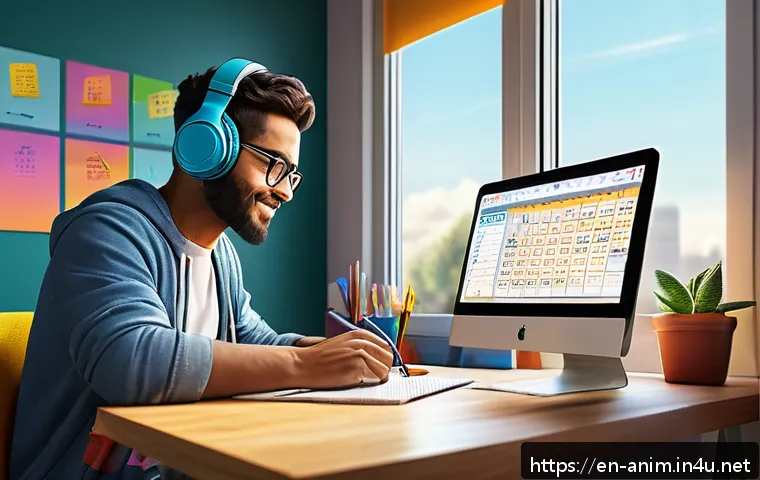
Whether you’re managing a small indie team or a large studio, mastering these collaborations can unlock creativity and efficiency like never before. In this post, we’ll dive into proven strategies that help animation studios build seamless partnerships with freelancers, ensuring every project runs without a hitch.
Stick around to discover practical tips that can transform your next animation project into a true success story.
Building Clear Communication Channels
Setting Expectations from the Start
When I first started working with freelancers in animation, one thing became crystal clear: miscommunication can derail even the most talented teams. It’s essential to establish clear expectations right from day one.
This means defining project scope, deadlines, deliverables, and feedback cycles in unambiguous terms. A quick tip I learned the hard way is to document everything in a shared space—whether that’s Google Docs, Notion, or a project management tool like Asana.
This way, everyone has a reference point, reducing confusion and the need for constant back-and-forth emails.
Choosing the Right Tools for Smooth Interaction
In today’s remote world, the tools you pick can make or break your workflow. I’ve experimented with various platforms—Slack for instant messaging, Zoom for face-to-face check-ins, and Frame.io for video reviews.
Using these tools consistently helps keep communication fluid and transparent. A good practice is to set up dedicated channels for specific topics like script revisions or animation reviews.
This keeps conversations organized and ensures important information doesn’t get buried under unrelated chatter.
Encouraging Open and Honest Feedback
One of the biggest challenges is fostering an environment where freelancers feel comfortable sharing their honest opinions and concerns. During projects I managed, I noticed that when feedback flows both ways, it creates trust and improves the final output.
Encourage regular check-ins where freelancers can voice any roadblocks or ideas. Sometimes, they offer creative solutions you might not have considered.
When everyone feels heard, motivation and collaboration naturally improve.
Streamlining Project Management for Freelance Teams
Breaking Down Tasks into Manageable Chunks
Large animation projects can quickly become overwhelming, especially when multiple freelancers are involved. The best approach I’ve found is to break down the project into smaller, manageable tasks with clear deadlines.
Using Kanban boards or Gantt charts helps visualize progress and dependencies, making it easier to track who’s doing what and when. This not only improves accountability but also helps identify potential bottlenecks early.
Implementing Regular Milestones and Checkpoints
Milestones are your best friend when working with freelancers. I always set up periodic checkpoints to review progress and make course corrections if needed.
These milestones act like mini-deadlines and keep the momentum going. They also create natural opportunities for feedback and ensure that the project stays aligned with the creative vision.
Plus, it’s a great morale booster when teams see consistent progress.
Using Centralized Platforms for Asset Management
Managing assets like storyboards, concept art, and animation files can get chaotic without a centralized system. I’ve seen studios struggle with version control issues that cause unnecessary rework.
Cloud-based platforms like Dropbox, Google Drive, or dedicated DAM (Digital Asset Management) tools provide a single source of truth. When freelancers upload their work here, everyone accesses the latest versions, which cuts down on confusion and errors.
Building Trust and Long-Term Relationships
Paying Fairly and Promptly
Nothing kills a freelancer’s motivation faster than delayed payments or unclear compensation terms. From my experience, being transparent about payment schedules and honoring them promptly builds tremendous trust.
This often leads to freelancers prioritizing your projects and going the extra mile. Offering bonuses for exceptional work or early delivery can also motivate them and show appreciation.
Recognizing and Valuing Freelancer Contributions
Freelancers often feel like outsiders in a studio setting, which can impact their engagement. I make it a point to recognize their contributions publicly—whether through shout-outs in team meetings or credits in the final product.
Small gestures like these boost morale and foster loyalty. Over time, freelancers become more invested in your studio’s success, transforming from occasional collaborators to dependable creative partners.
Creating Opportunities for Growth
Top freelancers are always looking to improve their skills and portfolio. Offering them opportunities to work on diverse projects or providing access to workshops and training can be a game-changer.
I’ve personally seen freelancers become more versatile and motivated when studios invest in their professional growth. This benefits both parties and elevates the overall quality of work.
Handling Time Zones and Cultural Differences
Scheduling with Flexibility in Mind
One challenge I frequently face is coordinating across multiple time zones. Instead of expecting everyone to conform to a rigid schedule, I try to build flexibility into meetings and deadlines.
Tools like World Time Buddy help find overlapping working hours that suit all parties. Sometimes asynchronous communication—like recorded video updates or detailed emails—works better than live calls, especially for creative reviews.
Respecting Cultural Norms and Work Styles
Freelancers come from diverse backgrounds, and understanding their cultural nuances can improve collaboration. For example, some cultures prefer direct feedback, while others appreciate a more diplomatic approach.
Early conversations about communication preferences can prevent misunderstandings. Being patient and open-minded fosters a respectful environment where creativity thrives.
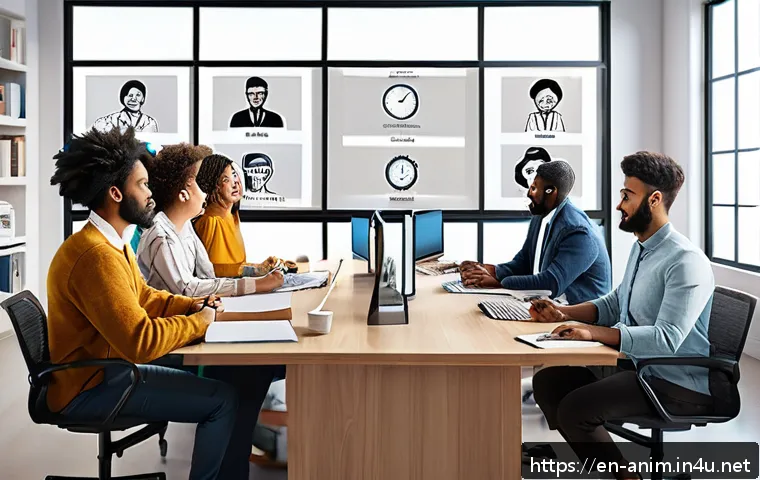
Creating a Shared Studio Culture Remotely
Building a sense of belonging in a remote freelance team isn’t easy but is worth the effort. I’ve started casual virtual hangouts or online coffee breaks to encourage informal chats.
Sharing stories about the studio’s mission and celebrating milestones together also helps freelancers feel part of something bigger. These small cultural touchpoints create camaraderie and make collaboration more enjoyable.
Ensuring Quality Control Without Micromanaging
Establishing Clear Style Guides and References
Quality consistency is crucial, especially when multiple freelancers contribute to the same project. I always prepare detailed style guides, including character designs, color palettes, and animation principles.
Sharing visual references and previous work samples helps freelancers understand expectations. This upfront clarity reduces revisions and speeds up the approval process.
Balancing Autonomy and Oversight
From experience, micromanaging freelancers kills creativity and trust. Instead, I set clear goals and deadlines but allow freelancers autonomy in their workflow.
Regular check-ins focus on results rather than processes. This approach encourages ownership and innovation. When freelancers feel trusted, they often surprise you with creative solutions you hadn’t anticipated.
Implementing a Structured Review Process
A structured review workflow is essential to catch issues early without overwhelming freelancers with constant feedback. I use a layered review system—starting with internal team checks before involving clients.
Feedback is consolidated and prioritized, focusing on critical fixes first. This method keeps revisions manageable and ensures quality improvements are meaningful.
Optimizing Contracts and Legal Considerations
Drafting Clear and Fair Contracts
Contracts can feel like a chore, but they’re vital for protecting both parties. I recommend including clear terms about deliverables, deadlines, payment, intellectual property rights, and confidentiality.
Using templates as a baseline but tailoring them to each project prevents ambiguity. Freelancers appreciate transparency, which builds trust from the outset.
Clarifying Intellectual Property Ownership
One sticky point in animation projects is who owns the final assets. I always specify in contracts that the studio retains ownership upon full payment.
This avoids any future disputes and ensures smooth distribution or licensing. Freelancers understand this arrangement when it’s communicated clearly upfront, so nobody feels blindsided.
Handling Disputes Professionally
Disagreements can happen despite best efforts. Having a clear dispute resolution clause in contracts helps manage conflicts calmly and professionally.
I’ve found that addressing issues early with open dialogue usually prevents escalation. Sometimes, bringing in a neutral mediator or arbitrator is necessary.
Keeping communication respectful and solution-focused preserves relationships.
| Key Collaboration Aspect | Recommended Practices | Common Pitfalls | Benefits |
|---|---|---|---|
| Communication | Use dedicated channels, document expectations, encourage open feedback | Unclear instructions, lack of feedback loops | Reduced misunderstandings, increased trust |
| Project Management | Break tasks down, set milestones, centralize assets | Overloaded freelancers, missed deadlines | Smoother workflow, early problem detection |
| Trust Building | Fair pay, recognition, growth opportunities | Delayed payments, undervaluing contributions | Higher freelancer retention, better quality work |
| Time Zones & Culture | Flexible scheduling, respect cultural differences, build shared culture | Scheduling conflicts, miscommunication | Improved collaboration, stronger team bonds |
| Quality Control | Clear style guides, autonomy with oversight, structured reviews | Micromanagement, inconsistent quality | Consistent output, creative freedom |
| Legal | Clear contracts, IP clarity, dispute resolution | Ambiguous terms, ownership conflicts | Protected rights, professional relationships |
In Conclusion
Effective collaboration with freelancers hinges on clear communication, organized project management, and mutual trust. By embracing flexibility and respecting cultural differences, teams can thrive even remotely. Prioritizing quality without micromanagement and ensuring fair legal agreements sets the foundation for long-lasting, productive partnerships.
Helpful Tips to Keep in Mind
1. Always document project details and expectations in a shared, accessible platform to avoid confusion.
2. Choose communication tools that fit your team’s workflow and create topic-specific channels for clarity.
3. Break projects into smaller tasks with regular milestones to maintain momentum and accountability.
4. Foster open feedback and recognize freelancers’ contributions to build trust and motivation.
5. Be mindful of time zones and cultural differences by scheduling flexibly and encouraging informal team bonding.
Key Takeaways
Clear communication channels, combined with structured project management, are essential for smooth freelance collaboration. Building trust through timely payments and recognition strengthens relationships, while respecting diverse work styles enhances teamwork. Maintaining quality with clear guidelines and balanced oversight ensures consistent results. Finally, well-crafted contracts protect both parties and support professional, transparent partnerships.
Frequently Asked Questions (FAQ) 📖
Q: How can animation studios ensure clear communication with freelancers working remotely?
A: Clear communication starts with setting expectations upfront. Using project management tools like Asana or Trello helps keep everyone on the same page regarding deadlines, tasks, and revisions.
Regular check-ins via video calls or chat platforms like Slack foster transparency and allow quick problem-solving. From my experience, establishing a shared style guide and feedback loop early on prevents misunderstandings and keeps the project aligned with the studio’s vision.
Q: What strategies help maintain quality when collaborating with freelance animators?
A: Maintaining quality is all about detailed briefs and consistent feedback. Providing freelancers with reference materials, sample animations, and clear technical specs reduces guesswork.
I’ve found that scheduling milestone reviews rather than waiting until the final delivery allows for timely course corrections. Also, building long-term relationships with trusted freelancers encourages accountability and raises the overall standard of work.
Q: How do studios handle time zone differences and ensure deadlines are met?
A: Time zone differences can be tricky but manageable with smart scheduling. Using shared calendars and overlapping work hours for meetings ensures crucial discussions happen in real-time.
Personally, I recommend setting internal deadlines earlier than the final due date, giving buffer time for revisions. Flexibility and clear communication about availability go a long way in keeping projects on track despite geographic distances.