With the animation industry booming more than ever, landing your dream role requires more than just passion—it demands a sharp set of skills that studios actively seek.

As technology evolves and storytelling methods become increasingly sophisticated, understanding what top animation studios prioritize can give you a serious edge.
Whether you’re a recent graduate or an experienced artist aiming to break into a new studio, knowing these in-demand skills can transform your job hunt.
Let’s dive into the key abilities that will not only catch recruiters’ eyes but also help you thrive in today’s competitive animation landscape. Ready to level up your career?
This guide is your first step.
Mastering Visual Storytelling Techniques
Crafting Emotion Through Character Animation
Understanding how to breathe life into characters is a cornerstone skill in animation. It’s not just about making characters move; it’s about conveying emotions and personality through subtle gestures and expressions.
When I worked on a recent project, I realized that even the smallest twitch of an eyebrow or a slight shift in posture can dramatically change the audience’s perception of a character’s mood or intention.
Studios highly value animators who can translate script and storyboard nuances into believable, relatable performances. This skill requires a keen eye for detail and a solid grasp of human behavior, which can be honed by studying real-life references or acting techniques.
Building Dynamic Scenes with Cinematic Principles
Animation today borrows heavily from film-making techniques, meaning understanding camera angles, lighting, and pacing is crucial. In one of my earlier roles, I found that knowing how to frame a scene or use lighting effectively could elevate the storytelling beyond the animation itself.
Studios look for artists who can think like directors, shaping each scene to enhance mood and narrative flow. This includes knowing when to use close-ups for emotional impact or wide shots to establish context.
Learning these cinematic principles doesn’t just make your work visually appealing; it also helps maintain audience engagement throughout the story.
Integrating Visual Effects Seamlessly
The boundary between animation and visual effects is often blurred, especially in high-end productions. Mastering how to incorporate effects such as smoke, fire, or magical elements without overwhelming the core animation is a prized ability.
I once collaborated with a VFX artist and saw firsthand how subtle particle effects could add depth and realism to an otherwise flat scene. Studios prefer animators who understand the technical side of effects integration, including how to work with software like Houdini or After Effects alongside traditional animation tools.
This combination can significantly boost the overall production quality and viewer immersion.
Technical Proficiency Across Multiple Software Platforms
Fluency in Industry-Standard Tools
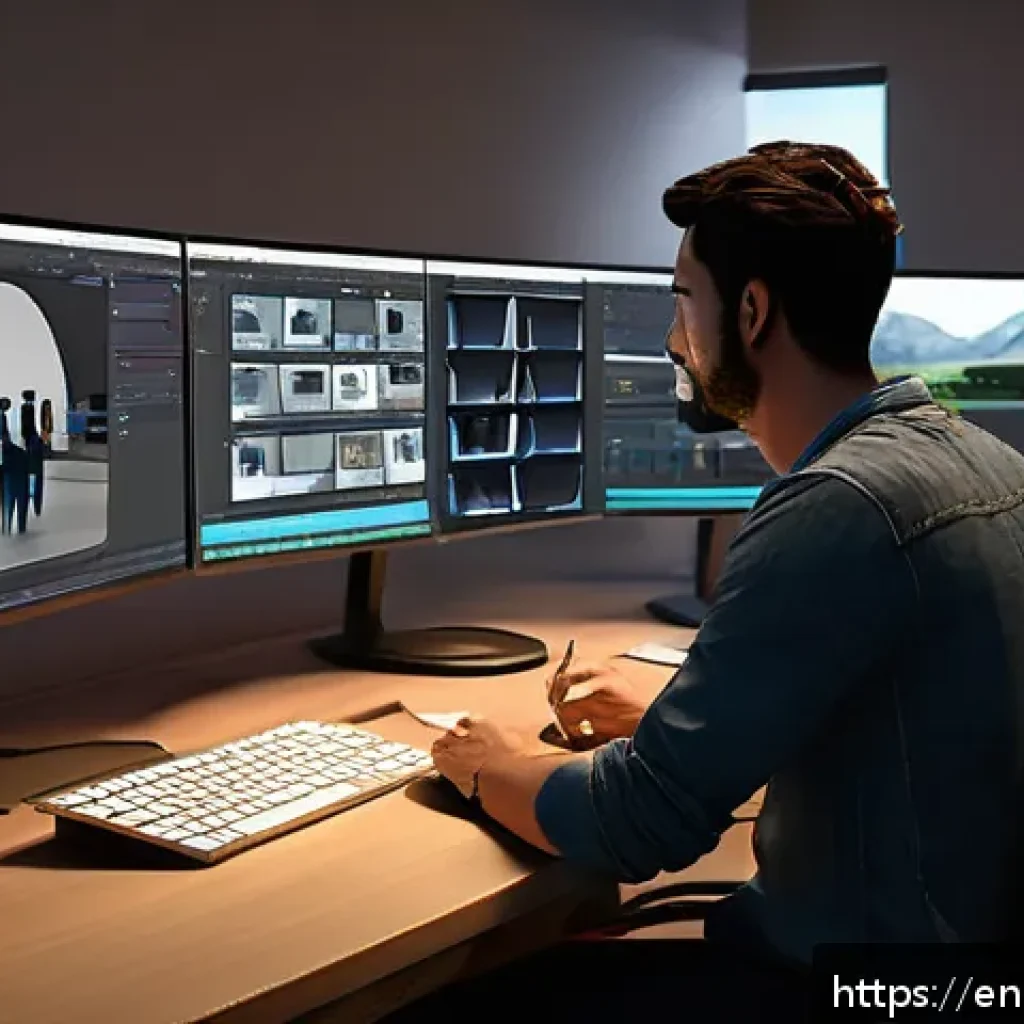
In today’s competitive landscape, being proficient in key software is non-negotiable. Programs like Autodesk Maya, Blender, and Adobe Creative Suite are staples, but studios increasingly value versatility across platforms.
Personally, I found that expanding my skillset beyond just one tool opened more doors and made collaboration smoother. For example, using Blender for modeling and Maya for rigging allowed me to leverage the strengths of each.
Hiring managers often look for candidates who can switch between software without losing productivity, as projects frequently require hybrid workflows.
Understanding Pipeline Integration
Animation production isn’t just about creating assets; it’s about fitting seamlessly into the studio’s pipeline. Knowing how your work interacts with other departments—rigging, lighting, compositing—can prevent bottlenecks and ensure smooth project flow.
Early in my career, I encountered delays caused by misaligned file formats and naming conventions, which taught me the importance of pipeline knowledge.
Studios appreciate artists who communicate well across teams and understand the technical constraints of each stage, helping the entire production move efficiently from concept to final render.
Keeping Pace with Emerging Technologies
The animation industry evolves rapidly, with technologies like real-time rendering, virtual production, and AI-assisted tools gaining traction. I’ve experimented with Unreal Engine for real-time visualization, and it’s clear that studios are looking for animators who can adapt to these innovations.
Staying current requires ongoing learning and a proactive attitude toward new software and techniques. Demonstrating your willingness to embrace and master emerging tech can set you apart, signaling that you’re prepared for the future of animation production.
Strong Collaborative and Communication Abilities
Effective Teamwork in Cross-Disciplinary Settings
Animation is rarely a solo endeavor. It involves close collaboration with writers, designers, directors, and technical artists. From my experience, projects that thrive are those where communication flows openly and regularly.
Being able to give and receive constructive feedback without friction is vital. Studios look for candidates who not only bring technical skills but also a collaborative spirit that enhances team dynamics.
Understanding other roles and respecting their expertise helps build trust and leads to better creative outcomes.
Clear Presentation and Story Pitching Skills
Sometimes animators need to present their ideas or storyboards to non-technical stakeholders, including producers or marketing teams. I recall preparing pitches where simplifying complex animation concepts into clear, engaging narratives made a significant difference in securing buy-in.
Strong verbal and visual communication skills empower animators to advocate for their creative vision effectively. Studios value individuals who can articulate their process and ideas confidently, bridging the gap between art and business.
Conflict Resolution and Adaptability
Creative projects often face unexpected challenges and differing opinions. Having the emotional intelligence to navigate conflicts and adapt to changes is crucial.
I once worked on a project where last-minute storyboard changes caused tension, but staying calm and solution-focused helped the team meet deadlines without sacrificing quality.
Employers seek candidates who demonstrate resilience and a positive attitude, as these traits contribute to a healthy, productive workplace.
Deep Understanding of Animation Fundamentals
Mastering the Principles of Animation
The classic 12 principles—like squash and stretch, anticipation, and timing—remain as relevant as ever. When I revisited these basics after some years in the field, I noticed how much smoother and more impactful my animations became.
Studios expect candidates to not only know these principles theoretically but to apply them fluidly in their work. These fundamentals form the backbone of believable and appealing animation, regardless of style or medium.
Strong Drawing and Design Skills
Even in a digital world, traditional drawing skills are invaluable. They enhance an animator’s ability to plan scenes, design characters, and visualize movement.
I personally improved my storyboarding and concept art abilities by dedicating time to sketching regularly, which in turn strengthened my animation work.
Studios often look for candidates with a solid artistic foundation, as it contributes to better problem-solving and creativity throughout production.
Understanding Motion and Physics
Realistic movement isn’t just about copying reality but interpreting physics to fit the animation style. Whether it’s exaggerating a jump or simulating weight, understanding how objects and bodies behave helps create convincing scenes.
I’ve found that studying biomechanics and observing everyday motion sharpened my ability to animate complex sequences more naturally. Employers value this knowledge because it elevates the quality and immersion of the final product.
Portfolio Crafting and Personal Branding
Showcasing a Diverse Yet Focused Body of Work
A well-rounded portfolio that highlights versatility without losing focus is key. Early in my career, I made the mistake of including too many unrelated samples, which diluted the impact.
Over time, I curated pieces that aligned with the studios’ style and demonstrated my strengths clearly. Recruiters want to see consistent quality and evidence of growth, so tailoring your portfolio to the job is essential.
Leveraging Online Presence for Networking
Building a professional online presence through platforms like ArtStation, LinkedIn, or personal websites can open doors. I’ve connected with industry professionals and discovered job opportunities just by sharing my work regularly and engaging with the animation community.
Studios often scout talent online, so maintaining updated profiles and participating in forums or challenges can significantly boost visibility.
Continuous Learning and Skill Development
The animation field rewards those who never stop improving. Taking courses, attending workshops, or even self-teaching new techniques has been a game-changer in my journey.
Studios appreciate candidates who show initiative in staying current and expanding their skill set. Highlighting your commitment to growth in your portfolio or interviews can leave a strong impression.
Understanding Industry Trends and Studio Cultures
Adapting to Diverse Styles and Genres
Animation studios specialize in various styles—from hyper-realistic CGI to stylized 2D cartoons. Being flexible and understanding the demands of different genres makes you a more attractive candidate.
I once transitioned between a game studio focusing on realistic animation and a film studio with a more artistic approach, learning to adapt my workflow and mindset accordingly.
This versatility is a huge asset.
Aligning with Studio Values and Missions
Studios often look beyond skills to find candidates who fit their culture and creative philosophy. Researching their past projects, mission statements, and team dynamics helped me tailor my applications and interviews effectively.
Showing genuine enthusiasm for their work and demonstrating how your values align can make a significant difference in hiring decisions.
Keeping an Eye on Emerging Market Demands
The rise of streaming platforms, VR content, and interactive media is reshaping animation’s future. Staying informed about where the industry is headed allows you to anticipate and prepare for new opportunities.
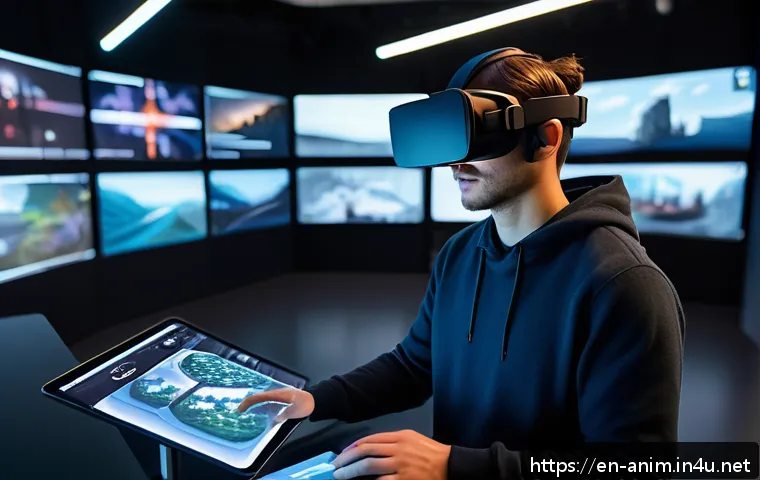
I’ve started experimenting with VR animation tools, which I believe will be increasingly important. Studios appreciate candidates who are forward-thinking and ready to contribute to evolving formats.
| Skill Category | Key Competencies | Why It Matters | Recommended Tools/Approaches |
|---|---|---|---|
| Visual Storytelling | Character emotion, cinematic framing, effects integration | Enhances narrative impact and audience engagement | Storyboarding, Maya, After Effects, Houdini |
| Technical Proficiency | Software fluency, pipeline knowledge, tech adaptability | Ensures smooth production flow and innovation readiness | Maya, Blender, Unreal Engine, pipeline tools |
| Collaboration & Communication | Teamwork, presentation, conflict resolution | Fosters productive, creative work environments | Clear communication, feedback skills, emotional intelligence |
| Animation Fundamentals | 12 principles, drawing, motion physics | Builds believable and appealing animation | Traditional sketching, animation exercises |
| Portfolio & Branding | Curated work, online presence, ongoing learning | Attracts recruiters and demonstrates growth | ArtStation, LinkedIn, personal website, courses |
| Industry Insight | Style adaptability, studio culture fit, trend awareness | Improves job fit and future-proofing | Research, networking, VR/interactive experimentation |
In Conclusion
Mastering visual storytelling in animation demands a blend of technical skill, creativity, and strong collaboration. By continuously refining your craft and staying adaptable to new technologies, you can create compelling narratives that resonate deeply with audiences. Embracing both the fundamentals and emerging trends will position you for success in this dynamic industry. Remember, storytelling is as much about emotion as it is about technique.
Helpful Tips to Keep in Mind
1. Always observe real-life behavior and emotions to bring authenticity to your character animations.
2. Study cinematic techniques like lighting and framing to elevate the mood and pacing of your scenes.
3. Familiarize yourself with multiple software tools to enhance your versatility and streamline workflows.
4. Develop strong communication skills to effectively collaborate and present your ideas within diverse teams.
5. Stay informed about industry trends such as real-time rendering and VR to future-proof your career.
Key Takeaways
Successful animation professionals combine deep knowledge of foundational principles with the ability to adapt to evolving technologies and studio cultures. Building a targeted portfolio, honing interpersonal skills, and understanding pipeline integration are essential for smooth production and career growth. Above all, passion for storytelling and continuous learning will keep you ahead in this creative field.
Frequently Asked Questions (FAQ) 📖
Q: What technical skills are most valued by top animation studios today?
A: Studios highly value proficiency in industry-standard software such as Autodesk Maya, Adobe After Effects, and Blender. Beyond software, skills like rigging, texturing, and 3D modeling are crucial.
Additionally, understanding the basics of coding or scripting, like Python, can set you apart by enabling automation of repetitive tasks. From my experience, mastering these tools not only boosts your efficiency but also shows recruiters that you’re ready to hit the ground running.
Q: How important is storytelling ability compared to technical skills in animation jobs?
A: While technical skills get your foot in the door, storytelling is what truly elevates your work. Animation is ultimately about conveying emotion and narrative, so studios look for artists who can create compelling characters and scenes that resonate with audiences.
In my career, I’ve noticed that animators who combine strong storytelling with solid technical abilities tend to stand out and have longer-lasting careers.
It’s the balance between art and technique that recruiters prize most.
Q: What soft skills should I develop to succeed in the animation industry?
A: Communication, teamwork, and adaptability are key soft skills. Animation projects often involve collaboration across departments, so being able to clearly express ideas and take feedback constructively makes a huge difference.
I’ve found that staying open to new methods and technologies also helps you keep pace in this fast-evolving field. Studios want artists who are not only talented but also reliable and easy to work with—qualities that can’t be overlooked in a competitive environment.