In the fast-paced world of animation, effective communication channels are the backbone of successful project management and creative collaboration. Animation studios today must navigate a variety of platforms to connect with artists, clients, and fans, ensuring that ideas flow smoothly from concept to screen.
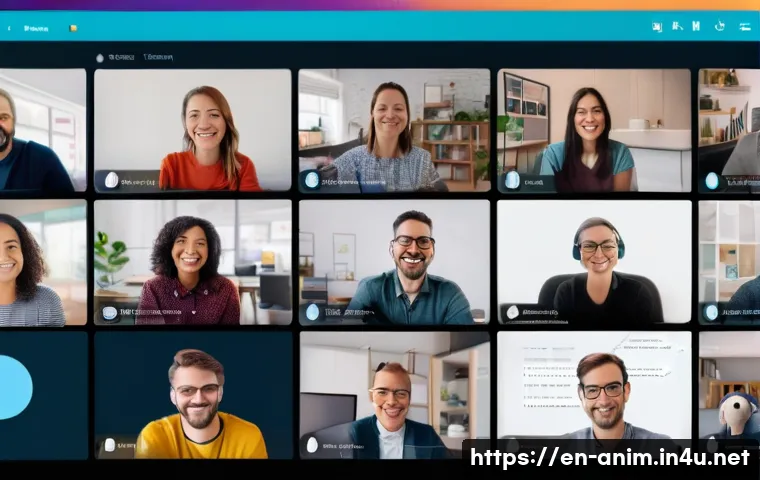
Leveraging tools like instant messaging, video calls, and social media not only boosts productivity but also fosters a vibrant community around the brand.
Finding the right balance between formal updates and casual interactions can make all the difference in keeping everyone engaged and aligned. Curious about how top studios optimize these channels to stay ahead?
Let’s dive deeper and explore the strategies that truly work!
Building Seamless Team Interactions Across Multiple Platforms
Choosing the Right Tools for Diverse Roles
When managing an animation studio, one size definitely doesn’t fit all when it comes to communication tools. Artists, animators, producers, and clients all have distinct needs and preferences.
For example, instant messaging platforms like Slack or Discord excel at quick updates and informal check-ins, which keep the creative energy flowing without interrupting deep work.
Meanwhile, project managers often rely on task management tools like Asana or Monday.com integrated with these chat apps to maintain clarity around deadlines and responsibilities.
From my experience, blending synchronous tools such as video calls with asynchronous options like detailed email threads helps accommodate different working styles and time zones without sacrificing momentum.
Creating Clear Communication Protocols
Even the best tools can fall flat without well-defined usage guidelines. Studios that I’ve worked with often establish communication protocols that specify what kind of information goes where.
For instance, urgent issues might be flagged via instant messages, whereas broader project updates are reserved for weekly video meetings. This prevents channel overload and helps people prioritize their attention.
Having a shared document or wiki outlining these rules ensures everyone is on the same page and reduces misunderstandings. Plus, it fosters accountability since everyone knows when and how they’re expected to respond, which is critical in a creative environment where timing impacts both morale and output.
Encouraging Informal Channels for Creative Synergy
Formal channels are essential, but don’t underestimate the power of casual interactions in sparking innovation. I’ve noticed that studios encouraging dedicated “water cooler” chat rooms or casual video hangouts see higher team cohesion and spontaneous idea exchanges.
These informal spaces let artists share inspiration, troubleshoot problems collaboratively, or just decompress, which naturally feeds into better collaboration during official meetings.
Balancing formal updates with these relaxed conversations often results in more engaged teams who feel connected beyond their immediate tasks.
Leveraging Client Communication to Enhance Project Transparency
Regular Check-Ins That Build Trust
Clients appreciate feeling involved without being overwhelmed. Scheduling brief but consistent video calls or screen-share sessions helps maintain transparency and quickly address questions before they snowball.
In one project I managed, setting up bi-weekly “demo days” where clients could see progress snapshots drastically reduced last-minute changes and improved overall satisfaction.
Using collaborative platforms like Frame.io or Google Drive also allows clients to leave timestamped feedback directly on animation drafts, streamlining revisions and cutting down on back-and-forth emails.
Balancing Professionalism with Approachability
Clients often expect polished communication, but a too rigid tone can create distance. I’ve found that mixing formal reports with personalized messages or behind-the-scenes content humanizes the studio-client relationship.
Sending occasional updates about team milestones or fun project facts can make clients feel like part of the creative journey rather than just recipients of deliverables.
This approach nurtures long-term partnerships and often leads to referrals, which are gold in this competitive industry.
Handling Feedback with Empathy and Clarity
Animation projects inherently involve subjective opinions, so handling client feedback requires tact and precision. I usually recommend studios establish a clear feedback process that encourages constructive critique while setting realistic expectations.
For example, creating a feedback form that categorizes input into technical adjustments, creative suggestions, and non-negotiables helps teams prioritize and respond systematically.
When clients see their concerns addressed thoughtfully, it builds confidence and reduces friction, making collaboration smoother and more productive.
Engaging Fans and Building Community Through Social Platforms
Sharing Behind-the-Scenes Content
Fans love getting a sneak peek into the creative process, which turns passive viewers into active supporters. Animation studios that share concept art, character sketches, or time-lapse videos of animation workflows on platforms like Instagram, TikTok, or YouTube tend to build loyal communities.
From what I’ve observed, authenticity is key—showing not just polished final products but also the trials and errors humanizes the studio and invites fans to root for the team’s journey.
This kind of engagement often translates into higher brand awareness and organic word-of-mouth growth.
Hosting Interactive Live Sessions
Live Q&As, drawing streams, or virtual studio tours are fantastic ways to deepen fan involvement. They provide real-time interaction that feels personal and exclusive.
I remember a studio that hosted monthly live chats where animators answered fan questions and demonstrated techniques, which significantly boosted viewer retention and social media shares.
These sessions also open opportunities for merchandise promotion or crowdfunding campaigns, adding a revenue stream while keeping the fanbase energized.
Monitoring and Responding to Community Feedback
Active listening on social media channels is crucial for maintaining a positive studio reputation. Fans often share valuable insights, bug reports, or feature requests that can influence future projects.
I advise studios to assign community managers who monitor comments and direct feedback to relevant departments promptly. Timely and thoughtful responses show respect and build trust, which in turn encourages more engagement and advocacy.
Ignoring community voices risks alienating passionate supporters who can be the studio’s biggest cheerleaders.
Streamlining Internal Collaboration with Integrated Solutions
Centralizing Project Information
Dispersed information slows down creativity and decision-making. From my hands-on experience, integrating project management tools with communication platforms creates a single source of truth that everyone can access anytime.
For instance, linking task deadlines, asset versions, and discussion threads in one dashboard prevents lost files or miscommunication. Studios that adopt this holistic approach often see faster turnaround times and fewer errors, freeing up time for creative exploration rather than administrative catch-up.
Automating Routine Updates
Repetitive status updates can drain energy and reduce focus. Automation tools that generate progress reports or notify team members about task completions help cut down on manual reporting.
I’ve witnessed teams saving hours weekly by setting up bots or integrations that pull data from project trackers and send summaries to relevant channels.
This not only improves transparency but also lets team members concentrate on their craft instead of juggling admin tasks.
Fostering Cross-Department Communication
Animation production involves multiple departments, from storyboarding to sound design, that must align closely. Encouraging regular interdepartmental meetings and shared digital spaces helps break down silos.
In one studio I collaborated with, creating themed chat channels for each project phase allowed specialists to exchange ideas and flag issues early. This proactive communication reduces bottlenecks and ensures a smoother handoff between stages, ultimately enhancing the final product’s quality.
Optimizing Remote Collaboration Without Losing Creative Spark
Maintaining Human Connection Virtually
Remote work can feel isolating, which is a challenge for creative teams that thrive on spontaneous interaction. Scheduling informal virtual coffee breaks or team-building games helps recreate the social aspects of an office environment.
From personal experience, these moments strengthen relationships and inspire collaboration even when everyone’s miles apart. It’s important not to overlook these soft connections, as they often fuel the motivation and trust that underpin great teamwork.
Using Cloud-Based Creative Tools
Cloud platforms like Adobe Creative Cloud or Toon Boom Harmony allow multiple artists to work on the same files without cumbersome transfers. This real-time collaboration capability accelerates workflows and reduces version conflicts.
I’ve seen studios switch to cloud solutions and immediately notice an improvement in efficiency and a drop in technical hiccups. Plus, cloud storage ensures assets are safely backed up and accessible from anywhere, which is a lifesaver when deadlines loom.
Addressing Time Zone Challenges with Flexibility
Coordinating across time zones can be tricky but manageable with thoughtful scheduling. I recommend staggering meetings to accommodate different regions fairly and recording sessions for those who can’t attend live.
Asynchronous collaboration tools also play a big role here, letting team members update progress and leave notes whenever convenient. This flexibility respects personal work rhythms and avoids burnout, which is essential in the demanding animation industry.
| Communication Channel | Best Use Case | Advantages | Potential Drawbacks |
|---|---|---|---|
| Instant Messaging (Slack, Discord) | Quick updates, informal chats, real-time problem solving | Fast, accessible, promotes team bonding | Can cause distractions if overused |
| Video Conferencing (Zoom, Google Meet) | Project reviews, client meetings, brainstorming sessions | Visual cues enhance understanding, builds rapport | Scheduling conflicts, screen fatigue |
| Project Management Tools (Asana, Monday.com) | Task tracking, deadline management, resource allocation | Organized workflow, accountability, transparency | Learning curve, possible over-reliance on tools |
| Social Media (Instagram, TikTok, YouTube) | Fan engagement, brand building, marketing campaigns | Wide reach, interactive, builds community | Requires consistent content creation, potential negative feedback |
| Cloud Storage (Google Drive, Adobe Creative Cloud) | File sharing, collaborative editing, backup | Easy access, version control, security | Dependent on internet, possible cost for storage |
Balancing Formality and Casualness in Studio Culture
Setting the Tone for Communication
The culture of communication sets the mood for the entire studio. I’ve noticed that studios striking a balance between professionalism and friendliness tend to retain talent better and encourage openness.
Formal channels are perfect for official announcements and client interactions, but infusing casual language and humor in daily chats makes the environment more inviting.
This approach reduces stress and invites honest feedback, which is invaluable when creativity is the core product.
Encouraging Open Feedback Loops
Creating a culture where everyone feels safe to voice opinions without judgment is critical. Regular anonymous surveys or open forums can help surface ideas or concerns that might not come up in formal meetings.
From firsthand experience, this openness leads to continuous improvement and innovation. When employees know their voices matter, they invest more emotionally and intellectually in their work.
Celebrating Wins and Milestones Together
Recognizing achievements, big or small, fuels motivation and builds camaraderie. Whether it’s a shoutout in a team meeting, a dedicated Slack channel for kudos, or virtual parties, celebrating progress reinforces a positive atmosphere.
I’ve seen how this practice not only boosts morale but also strengthens loyalty, making people feel truly part of something meaningful beyond just their tasks.
Closing Thoughts
Effective communication is the backbone of any successful animation studio. By thoughtfully choosing tools, setting clear protocols, and fostering both formal and informal interactions, teams can thrive creatively and operationally. Engaging clients transparently and building a strong fan community further amplify project success. Ultimately, balancing professionalism with a friendly culture creates an environment where creativity and collaboration flourish.
Useful Tips to Keep in Mind
1. Tailor communication tools to suit different team roles and work styles for maximum efficiency and comfort.
2. Establish clear guidelines on when and how to use each communication channel to reduce noise and confusion.
3. Encourage casual conversations alongside formal meetings to spark creativity and strengthen team bonds.
4. Keep client interactions consistent and approachable to build trust and foster long-term partnerships.
5. Leverage cloud-based solutions and automation to streamline workflows and maintain seamless collaboration, especially for remote teams.
Key Takeaways
Choosing the right mix of communication platforms and setting clear expectations prevents misunderstandings and enhances productivity. Balancing structured updates with informal interactions nurtures creativity and morale. Client engagement should be transparent yet personable to build trust and loyalty. Integrating project management with communication tools centralizes information, reduces errors, and saves time. Finally, fostering a studio culture that values openness, recognition, and flexibility is essential to sustaining motivated and connected teams in a dynamic creative environment.
Frequently Asked Questions (FAQ) 📖
Q: What communication tools are most effective for animation studios to use during a project?
A: From my experience working with animation teams, a mix of instant messaging apps like Slack or Discord, video conferencing tools such as Zoom or Google Meet, and project management platforms like Trello or Asana work best.
Instant messaging keeps quick questions flowing without interrupting workflow, while video calls are great for detailed discussions and brainstorming sessions.
Project management tools help track progress and deadlines, ensuring everyone stays on the same page. Balancing these tools according to the project phase can significantly boost team efficiency.
Q: How do animation studios maintain clear communication between artists, clients, and fans without overwhelming everyone?
A: It’s a delicate balance, but setting clear guidelines on communication frequency and channels really helps. For instance, studios often reserve formal updates for email newsletters or scheduled client meetings, while using social media and community forums for casual fan engagement.
Internally, quick updates might happen via chat, but more in-depth feedback is given during video calls or in shared documents. From what I’ve seen, this separation prevents information overload and keeps each group engaged in the right way.
Q: What strategies do top animation studios use to foster collaboration and creativity through communication?
A: Leading studios encourage open dialogue by creating dedicated channels for different topics—like separate threads for story ideas, technical issues, and general chit-chat.
They also schedule regular creative check-ins where everyone, from animators to directors, can share thoughts freely. Personally, I noticed that studios that celebrate small wins publicly and use collaborative tools like shared whiteboards or mood boards tend to spark more innovation.
This approach builds trust and makes team members feel their input truly matters, fueling both creativity and productivity.