You know that magical feeling when a new animated series just grabs you and doesn’t let go? Well, behind every captivating frame of that magic is a dedicated team, and at its very heart, often sits an animation planner or producer.
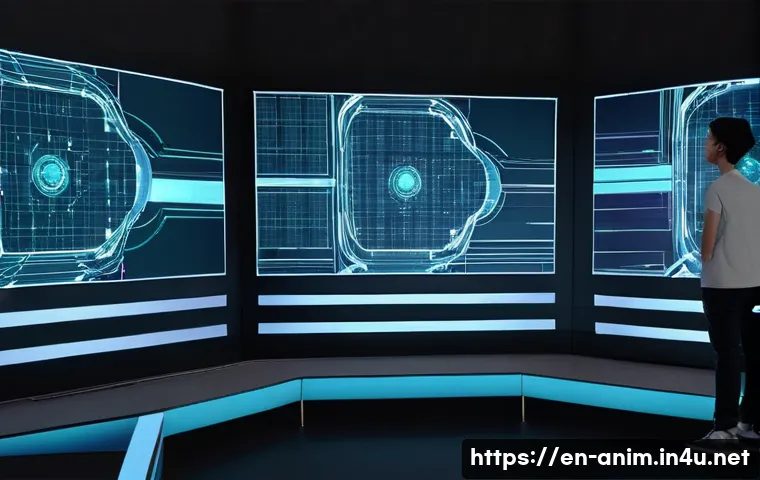
Speaking from countless late nights, exhilarating breakthroughs, and even a few head-scratching moments, I can tell you firsthand it’s a role that demands a unique blend of creative vision, strategic foresight, and a whole lot of grit.
We’re not just sketching ideas; we’re actively navigating the rapidly evolving landscape of global streaming platforms, exploring how cutting-edge AI is reshaping animation pipelines, and constantly predicting what stories will resonate next with audiences hungry for immersive and diverse content.
From the initial spark of a concept and securing budgets to managing massive international teams and tackling tight deadlines, our days are a fascinating, often chaotic, journey to bring captivating worlds to life.
It’s a job that truly blends artistic passion with the latest in technology and shrewd business acumen, always pushing the boundaries of storytelling in an increasingly digital world.
Ever wondered how those compelling narratives and stunning visuals make it from a faint idea to your screen, impacting millions globally? Let’s peel back the curtain and find out exactly what a day in the life truly looks like!
From Concept to Greenlight: The Genesis of a Project
Spotting the Next Big Idea
Oh, the thrill of that initial spark! You know, the one where a tiny idea, maybe just a whispered suggestion or a doodle on a napkin, suddenly feels like it could be the next big thing?
That’s where my day often begins. It’s not just about waiting for inspiration; it’s about actively hunting for it, keeping an ear to the ground for emerging trends, browsing art schools’ latest showcases, or even just listening to my kids talk about their favorite games.
Sometimes it’s a brilliant pitch from a new creator, other times it’s an intellectual property ripe for adaptation. What truly sets a concept apart for me is its potential to connect deeply with an audience, regardless of age or background.
I’m always asking, “Does this story have heart? Does it offer something genuinely new or tell a familiar tale in an unexpected way?” Because honestly, in a world saturated with content, merely ‘good’ isn’t good enough anymore.
You need that undeniable hook, that unique voice that makes people stop scrolling and actually *feel* something. It’s a gut feeling, really, honed over years of watching countless projects succeed and, let’s be honest, a few falter.
I’ve seen projects that looked fantastic on paper crash and burn because they lacked that undefinable spark, that emotional resonance that makes a story truly timeless.
Pitching and Securing Funding
Once we’ve got a concept that makes our collective hearts beat faster, the real work of securing a greenlight begins, and oh boy, is it an art form in itself!
This isn’t just about showing pretty pictures; it’s about selling a vision, a dream, to a room full of executives who hold the purse strings. You need to articulate not just *what* the show is, but *why* it needs to exist and *who* it’s for.
I’ve walked into countless pitch meetings, my stomach doing acrobatics, knowing that millions of dollars and years of work could hinge on the next twenty minutes.
You become a storyteller, a salesperson, and a visionary all at once. I remember one particular pitch where we used a rough animatic, paired with a custom-composed score, to convey the emotional depth of a story that was still just in its nascent stages.
The reaction in the room was palpable – you could literally feel them lean in. It’s about confidence, passion, and having every single financial projection and creative detail meticulously prepared.
Because even with the most brilliant idea, if you can’t convince the decision-makers that it’s a sound investment, both creatively and financially, it’s going nowhere.
It’s a relentless process of refining, presenting, and often, re-presenting until you get that glorious “yes.”
Navigating the Creative Crucible: Story, Art, and Tech
Bridging Artistic Vision and Technical Reality
This is where the magic really starts to take shape, but it’s also where the rubber meets the road between boundless artistic vision and the very real constraints of technology and budget.
As an animation planner, I spend a significant chunk of my time mediating between brilliant directors and animators who dream in vibrant colors and impossible camera moves, and the technical teams who have to figure out how to actually *make* that happen within our pipeline.
It’s a delicate dance, I tell you! I’ve been in meetings where an artist presents a breathtaking concept, only for the technical director to gently explain that achieving that look would add six months and millions of dollars to the schedule.
My job is to find that sweet spot, that creative compromise where the original artistic intent is honored without breaking the bank or pushing us past our deadlines.
It requires a deep understanding of both creative processes and the technical limitations and possibilities of animation software and hardware. I often find myself sketching out rough storyboards or even trying a quick software demo to better understand the challenges, allowing me to speak both languages fluently and guide the team towards innovative, yet feasible, solutions.
Integrating AI into the Animation Pipeline
If there’s one thing that’s utterly revolutionized our approach in recent years, it’s the incredible advancements in AI. And let me tell you, it’s not about replacing human artists, but empowering them to do more, faster, and often with greater creative freedom.
We’re actively exploring and implementing AI tools across various stages of production. Think about character rigging, for instance: what used to be a painstakingly manual process that could take days or even weeks for complex characters, can now be significantly accelerated by AI-driven solutions that generate initial rigs based on concept art.
Or consider background generation and environmental modeling; AI can assist in creating vast, detailed worlds with unprecedented efficiency. I’ve personally been fascinated by how AI is helping us with in-betweening frames, cleaning up line art, or even generating preliminary lip-sync animations.
It frees up our highly skilled animators to focus on the truly nuanced, emotional performances, the subtle gestures that give characters their soul. It’s a constant learning curve, and I spend a lot of time researching new plugins, attending industry webinars, and even experimenting with generative AI models to see how we can ethically and effectively integrate these powerful tools without losing that essential human touch that makes animation so special.
Storytelling for a Global Audience
Creating animated content today isn’t just about making a great show for a local audience; it’s about crafting stories that resonate across cultures, languages, and demographics.
The rise of global streaming platforms means our work is literally seen by millions worldwide, from Tokyo to Toronto, from Berlin to Buenos Aires. This is a huge responsibility and an exhilarating challenge!
I’m constantly thinking about how a certain joke might translate, if a cultural reference will land, or if a particular visual metaphor holds universal appeal.
It’s not about bland homogenization; it’s about finding those universal truths and emotions that bind humanity together, regardless of where you live.
This often means working closely with localization teams from the very early stages, not just for translation, but for cultural adaptation. I remember one instance where a subtle gesture of disapproval in a Western context could be deeply offensive in an Eastern culture.
Catching these nuances early on saves us immense headaches down the line. We also look at diversity not just in terms of characters on screen, but in the perspectives of the creators behind the scenes.
Because ultimately, the richer the tapestry of voices telling the story, the more likely it is to connect with that vast, diverse global audience we’re all aiming for.
Mastering the Budget and Schedule Tightrope
Allocating Resources Wisely
Ah, the eternal balancing act! It’s one thing to have a brilliant idea and a fantastic team, but without a meticulously planned budget and schedule, that dream can quickly turn into a nightmare.
My days are often filled with spreadsheets, forecasts, and tough decisions about where every dollar and every hour goes. We’re talking about allocating funds for character design, background art, animation cycles, voice acting, music composition, sound design, software licenses, render farm time, and even the coffee that keeps everyone going during late nights!
I’ve learned through trial and error (mostly error, early in my career, I’ll admit!) that underestimating any single element can snowball into massive cost overruns and delays.
It’s like building a complex machine where every gear has to fit perfectly and every part needs its own dedicated resource. I always try to build in a contingency budget, because let’s face it, animation production is an inherently unpredictable beast.
There will always be unforeseen challenges, whether it’s a critical piece of software crashing, a voice actor falling ill, or a creative decision requiring a whole sequence to be re-animated.
That buffer isn’t just a luxury; it’s a lifeline.
Forecasting and Mitigating Delays
If there’s one thing that can derail an entire production, it’s unexpected delays. And trust me, they *will* happen. My role involves not just tracking progress, but actively forecasting potential bottlenecks and putting strategies in place to mitigate them before they become critical.
We use sophisticated project management tools, of course, but it’s also about a deeply intuitive understanding of the creative process and the inherent risks.
For instance, I know that character rigging or complex effects animation often take longer than initially estimated, so I build in extra padding there.
We also conduct regular “post-mortems” after each major milestone to identify what went well and what could have been handled better, constantly refining our approach.
I’ve seen projects where a single creative change mid-production spiraled into months of delays because the downstream impact wasn’t properly assessed.
So, I push for clear communication, detailed asset tracking, and proactive problem-solving. It’s about being prepared for the inevitable curveballs, having a Plan B (and sometimes a Plan C!), and making sure everyone on the team understands the critical path.
Building and Nurturing a Global Team
Recruiting Top Talent Worldwide
One of the most rewarding, yet challenging, aspects of this job is assembling the dream team. In today’s interconnected world, talent knows no borders, and neither do we!
I’ve had the privilege of working with artists, writers, and animators from literally every corner of the globe. Finding the right people isn’t just about technical skill; it’s about finding individuals who not only align with the project’s vision but also bring a unique perspective and collaborative spirit.
I spend a considerable amount of time reviewing portfolios, conducting interviews, and networking within the industry. It’s about building a diverse team that mirrors the diverse audience we’re trying to reach.
I vividly remember recruiting a lead character designer from a small studio in Eastern Europe whose work absolutely blew me away. The fresh perspective they brought to our character designs was truly transformative for the project.
The key is casting a wide net and being open to talent wherever it may reside, and leveraging platforms that connect us globally.
Fostering Collaboration Across Time Zones
Once you have this incredible, globally dispersed team, the next hurdle is making them feel like a cohesive unit, working seamlessly despite being separated by thousands of miles and wildly different time zones.
This is where my “people skills” really get a workout! We rely heavily on robust communication platforms – video conferencing, shared drives, project management software that tracks progress in real-time.
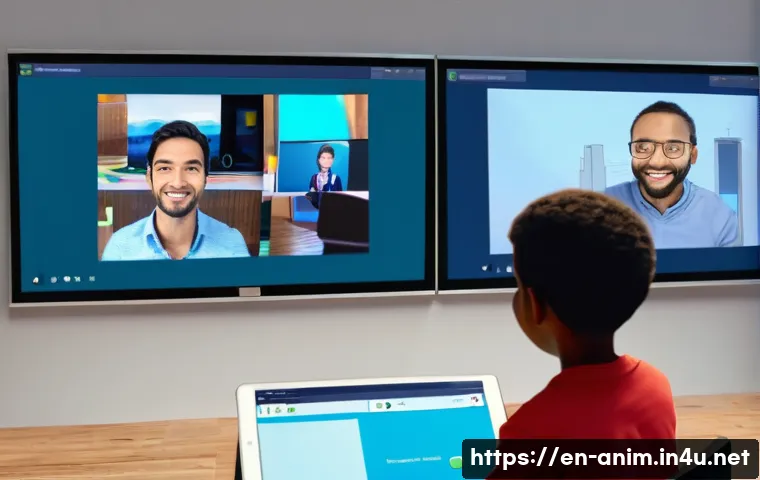
But beyond the tech, it’s about fostering a culture of empathy and understanding. We schedule meetings that rotate times to accommodate different regions, ensuring no one team is constantly having late-night calls.
I make a point of encouraging informal check-ins, virtual coffee breaks, and even team-building activities online. I’ve found that regular, transparent communication about project goals, individual contributions, and challenges is absolutely paramount.
It builds trust and ensures everyone feels connected to the larger vision, even if they’re working asynchronously. I always make sure to acknowledge and celebrate individual achievements publicly, fostering that sense of shared success, which is crucial when you’re not physically together.
The Unpredictable Nature of Production: Problem Solving on the Fly
Crisis Management: When Things Go Sideways
Let me tell you, no matter how meticulously you plan, no animation production ever goes perfectly smoothly. It’s an absolute guarantee that things *will* go sideways.
And when they do, my role shifts from proactive planning to reactive crisis management faster than you can say “render farm crash!” I’ve dealt with everything from key software bugs that halt production for days, to unexpected talent departures, to political unrest impacting an overseas studio.
I remember one particularly stressful period when a critical rendering server failed just weeks before a major delivery deadline. Panic could have easily set in, but instead, we immediately huddled, assessed our options, and quickly pivoted to distributing the workload across multiple smaller, independent render farms we had contingency contracts with.
It required quick thinking, clear communication to all stakeholders, and a calm demeanor under immense pressure. It’s about remaining level-headed, evaluating the severity of the issue, and then mobilizing the right resources and people to implement a solution, all while keeping the broader project goals in sight.
Adapting to Technological Shifts
The animation industry is a whirlwind of technological evolution. What was cutting-edge last year might be obsolete this year, and if you’re not constantly adapting, you’ll be left in the dust.
My job isn’t just to manage current production, but to keep an eagle eye on emerging technologies and assess how they can improve our pipeline or offer new creative possibilities.
This means constantly researching, attending industry conferences, and encouraging our technical teams to experiment. Right now, everyone’s buzzing about real-time rendering engines and virtual production tools, which are blurring the lines between animation and live-action.
I’m always thinking, “How can we integrate this new tech without disrupting our entire workflow? What’s the ROI on investing in this new software or hardware?” It’s a continuous balancing act between embracing innovation and maintaining stability.
We’ve often been early adopters of new software, and while there’s a learning curve and initial hiccups, the long-term gains in efficiency and creative output are always worth it.
It’s about cultivating a mindset of continuous learning and evolution within the entire team.
Beyond the Screen: Marketing and Audience Engagement
Strategizing for Release and Impact
Bringing an animated series to life is just half the battle; the other half is making sure people actually *see* it and fall in love with it! My involvement extends well beyond the final frames of animation, delving deep into the strategic planning for release and maximizing its impact.
We work hand-in-hand with marketing teams, crafting trailers that capture the essence of the show, developing key art that draws the eye, and identifying the best platforms and launch windows.
It’s about understanding market trends, predicting audience behavior, and positioning our content to stand out in an incredibly crowded landscape. I’ve learned that a beautifully animated show can get lost in the shuffle if it doesn’t have a compelling marketing strategy behind it.
This means leveraging early reviews, building hype through social media campaigns, and creating partnerships that extend the show’s reach. It’s incredibly satisfying to see the culmination of years of work finally presented to the world, and even more so when it’s met with enthusiasm and critical acclaim.
Leveraging Social Media and Influencers
In today’s digital age, the conversation around our shows starts long before they even air and continues long after. Social media isn’t just a promotional tool; it’s a vital two-way street for engaging with our audience.
I’m constantly looking at how we can authentically connect with fans, from sharing behind-the-scenes glimpses that humanize our production process, to running polls and Q&As that make viewers feel invested.
Influencer marketing has also become a powerful avenue for reaching new demographics. Collaborating with popular animators, artists, or content creators who genuinely love our genre can generate incredibly organic and impactful buzz.
It’s not about forcing a message; it’s about identifying true fans who can advocate for the show in their own authentic voice. I’ve seen how a well-placed interview with a popular animation YouTuber or a series of fan art challenges on Instagram can ignite a passionate community around a show, turning casual viewers into dedicated fans.
It’s about building a world around the content, extending the narrative and the experience beyond the screen.
| Key Skills for an Animation Producer/Planner | Description |
|---|---|
| Creative Vision | Ability to identify compelling stories and guide artistic direction. |
| Strategic Planning | Expertise in budgeting, scheduling, and resource allocation. |
| Communication & Leadership | Skill in mediating, motivating, and managing diverse, global teams. |
| Technical Acumen | Understanding of animation software, pipelines, and emerging technologies (e.g., AI). |
| Problem-Solving | A knack for navigating unforeseen challenges and making quick, effective decisions. |
| Business Savvy | Familiarity with market trends, monetization models, and intellectual property. |
The Emotional Rollercoaster: Passion and Persistence in Animation
Celebrating Small Victories and Enduring Setbacks
Let’s be real, working in animation is not for the faint of heart. It’s a true emotional rollercoaster, a constant swirl of exhilarating highs and soul-crushing lows.
There are those glorious moments when a difficult animation sequence finally clicks, or when a rough cut brings tears to your eyes, affirming all the hard work.
These are the small victories that you cling to, the little bursts of joy that fuel your passion. But then there are the setbacks: budget cuts, unforeseen technical glitches, creative disagreements that feel insurmountable, or even moments of self-doubt where you question everything.
I’ve had my share of sleepless nights, pacing around, trying to untangle a particularly stubborn problem. I remember one time, a major sequence had to be completely re-animated just weeks before delivery due to a last-minute creative change from a studio executive.
It felt like a punch to the gut. But through it all, you learn resilience. You learn to pick yourself up, dust yourself off, and tackle the next challenge with renewed determination.
It’s about finding strength in your team and believing in the story you’re telling.
Maintaining the Creative Spark
In the midst of deadlines, budgets, and endless meetings, it’s surprisingly easy to lose touch with the very creative spark that drew you to animation in the first place.
For me, maintaining that connection is absolutely vital. I make a conscious effort to step away from the spreadsheets and immerse myself in the creative process whenever I can.
Sometimes that means popping into an animation review session, even if I’m not strictly required, just to witness the artists at work. Other times, it’s spending an hour just sketching ideas in my notebook, not for any specific project, but just to keep that muscle limber.
I also make sure to consume a wide variety of content – not just animation, but films, books, games, and even visit art exhibitions. These external influences feed my own creativity and keep my perspective fresh.
It’s easy to get bogged down in the logistics, but if you lose sight of the magic, of the sheer joy of bringing characters and stories to life, then you’ve lost something essential to this role.
It’s a reminder that beneath all the strategy and planning, there’s a passionate artist and storyteller yearning to create.
Closing Thoughts
And there you have it, a peek behind the curtain into the whirlwind world of animation planning. It’s a journey fueled by passion, defined by problem-solving, and ultimately incredibly rewarding. Every project is a new adventure, a fresh canvas, and a testament to the incredible power of collaborative storytelling. While the challenges are immense, the joy of seeing your vision come to life and connect with audiences worldwide is truly unparalleled. It’s a constant learning experience, and I wouldn’t trade it for anything.
Handy Information for Aspiring Animation Producers
For anyone dreaming of stepping into the dynamic field of animation production, I’ve gathered a few nuggets of wisdom from my own journey that I wish someone had shared with me early on. These aren’t just theoretical tips; they’re battle-tested strategies that have helped me navigate the unpredictable waters of this industry.
1. Cultivate a Dual Mindset: You need to be both a creative visionary and a pragmatic businessperson. Learn to speak the language of artists and technical directors, but also understand budget sheets and market trends. This blend is crucial for bridging the gap between artistic ambition and practical execution. It’s truly a skill that differentiates good producers from great ones, allowing you to champion creative ideas while keeping an eagle eye on the bottom line.
2. Embrace Technology (Especially AI): The animation landscape is constantly evolving, with AI becoming an increasingly powerful ally, not a foe. Stay curious about new software, real-time rendering, and AI tools. Experiment with them, understand their capabilities, and envision how they can enhance your pipeline, streamline workflows, and unlock new creative possibilities without sacrificing the human touch that makes animation special. This forward-thinking approach will keep you ahead of the curve.
3. Network Like Crazy: This industry thrives on connections. Attend festivals, conferences, webinars, and online forums. Build genuine relationships with artists, writers, directors, studio executives, and even other producers. You never know where your next collaboration or opportunity will come from. I’ve found some of my most talented team members through seemingly casual conversations, proving that the animation world is truly a tight-knit community once you’re in.
4. Master the Art of Communication: Animation production is a massive collaborative effort involving diverse talents spread across different departments and often, different continents. Clear, concise, and empathetic communication is paramount. Learn to mediate conflicts, motivate your team, and convey complex information effectively to all stakeholders, from the freshest intern to the highest executive. This single skill can prevent countless headaches and keep projects on track.
5. Develop a Thick Skin and Resilience: This is not a profession for the faint of heart. You’ll face rejections, creative differences, technical glitches, and budget constraints. Learn to take feedback constructively, bounce back from setbacks, and maintain your passion even when things get tough. The ability to persevere through adversity while keeping your team motivated is a defining trait of successful animation leaders. It’s a marathon, not a sprint, and every challenge is an opportunity to learn and grow.
Key Takeaways from the Animation Journey
Reflecting on countless projects and the incredible teams I’ve had the privilege to work with, a few core principles consistently emerge as the bedrock of successful animation production. Firstly, it’s always about the story. No matter how dazzling the visuals or cutting-edge the technology, an emotional, compelling narrative is what truly captures hearts and minds globally. Investing in strong storytelling from the very outset is non-negotiable, as it provides the soul to your animated world. Secondly, flexibility is your superpower. The animation pipeline is a living, breathing entity, constantly susceptible to unforeseen creative shifts, technological hurdles, and market changes. Being able to adapt quickly, pivot strategically, and find innovative solutions on the fly isn’t just a desirable trait; it’s essential for survival and success.
Finally, and perhaps most importantly, remember that animation is a profoundly human endeavor. Despite the complex software and intricate processes, it’s the passion, dedication, and collaborative spirit of the artists, writers, directors, and technical wizards that breathe life into characters and worlds. Fostering a supportive, creative, and communicative team environment is paramount. It’s about building trust, celebrating collective achievements, and nurturing individual talents to create something truly magical together. Ultimately, the success of any animated project hinges not just on brilliant ideas or flawless execution, but on the strength of the human connections and the shared belief in the power of imagination. Keep that spark alive!
Frequently Asked Questions (FAQ) 📖
Q: What exactly does an animation planner or producer do, beyond just “making cartoons”?
A: You know, it’s funny how many people think we just sit around drawing all day! While I wish that were true sometimes, the reality is far more intricate and, frankly, exhilarating.
My experience has shown me that being an animation planner or producer is like being the ultimate architect and conductor of an entire creative universe.
We’re the ones who take that initial, often tiny, spark of an idea – maybe just a character sketch or a vague plot concept – and meticulously map out every single step needed to transform it into a breathtaking animated series.
This means everything from securing the funding (which, let’s be honest, can be a full-time job in itself!), to assembling a dream team of writers, artists, animators, and sound designers from all corners of the globe.
I’ve personally spent countless hours negotiating contracts, sifting through hundreds of portfolios, and even mediating creative differences because, let’s face it, when you have so much passion in one room, sparks are bound to fly!
But it’s more than just logistics; it’s about safeguarding the creative vision, ensuring that every frame, every line of dialogue, and every musical note serves the story we set out to tell.
We’re the bridge between the artistic dream and the commercial reality, always with an eye on both the creative integrity and the audience’s hunger for something truly special.
Q: How has the rise of global streaming platforms and new technologies like
A: I changed the game for animation producers? A2: Oh my goodness, where do I even begin with this one? If you’d told me ten years ago how drastically our industry would transform, I might have chuckled!
The shift to global streaming platforms has been nothing short of a revolution. It’s opened up a world of possibilities, allowing us to connect with audiences in places we never could before and tell stories that were once considered too niche for traditional broadcasters.
I remember working on a project that truly resonated with viewers in Southeast Asia and Latin America in ways we hadn’t quite anticipated – it was a beautiful testament to the power of global reach.
But with this incredible access comes immense pressure to produce more, faster, and often on tighter budgets, while maintaining top-tier quality. And then there’s AI, which is truly a fascinating disruptor.
When I first started hearing about AI in animation, I’ll admit, there was a tiny part of me that felt a little… apprehensive. But what I’ve seen firsthand is how AI is rapidly becoming an invaluable tool, not to replace human creativity, but to augment it.
We’re using AI for everything from automating repetitive tasks like in-betweening and lip-syncing, to even helping us analyze audience data to better understand what types of stories are truly resonating.
It allows our artists to spend more time on the truly creative, visionary work, which for me, is incredibly exciting. It’s a constant dance between embracing innovation and preserving the heart of human storytelling.
Q: What’s the most challenging (or rewarding) part of bringing an animated series from a spark of an idea to millions of screens worldwide?
A: This is a tough one because honestly, every single project feels like a marathon with sprints mixed in! If I had to pick the most challenging aspect, it would probably be the sheer scale of coordination and problem-solving required on a daily basis.
Imagine managing hundreds of talented individuals across multiple time zones, all working on different pieces of an incredibly complex puzzle, with deadlines looming and unexpected technical glitches popping up like whack-a-mole.
I’ve had moments where I felt like a human octopus, juggling budgets, creative approvals, legal hurdles, and marketing strategies all at once. There’s a constant need for adaptability and a thick skin, especially when things inevitably go off-script.
However, hand on heart, the most rewarding part – and it’s what keeps us coming back for more, project after project – is that magical moment when you finally see the finished series.
It’s when you watch an audience, whether it’s your own kids, a test screening, or seeing the global response, genuinely connect with the characters and worlds you’ve poured your heart and soul into.
There’s an indescribable rush of pride and joy knowing that something that started as a flicker in someone’s imagination is now bringing joy, wonder, or even deep thought to millions of people around the world.
It makes all those late nights and tricky negotiations absolutely worth it. It’s truly a privilege to be part of that magic.