7 Secrets to Animation Success How Studio-Academia Partnerships Are Revolutionizing the Industry

webmaster

애니메이션 기획사와 학계의 협력 사례 - **"A vibrant, sunlit university animation lab, filled with a diverse group of young, enthusiastic an...

Hey animation enthusiasts! Have you ever wondered what truly fuels the magic behind your favorite animated films and series, making them more stunning and immersive than ever?

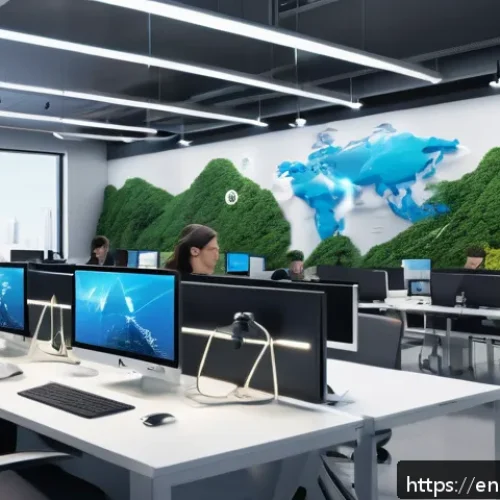
애니메이션 기획사와 학계의 협력 사례 관련 이미지 1

It’s more than just incredible artists and brilliant storytellers; increasingly, the secret ingredient involves groundbreaking collaborations between leading animation studios and forward-thinking academic institutions.

This powerful synergy is pushing creative and technological boundaries, integrating cutting-edge advancements like AI-driven tools, advanced motion capture, and even immersive VR/AR experiences directly into the animation pipeline.

From my perspective, this blend of artistic vision and scientific rigor isn’t just transforming how stories are told today, but actively building an unbelievably innovative future for the entire industry.

These partnerships are a game-changer, fostering student talent and sparking innovations that we could only dream of a few years ago. Let’s explore exactly how these fascinating alliances are bringing impossible dreams to vivid life!

Alright, animation lovers, let’s dive headfirst into the incredible world where animated dreams collide with academic breakthroughs! I’ve been following this space for years, and what I’ve seen in the last few years, especially looking into 2025, is truly mind-blowing.

It’s not just about flashy new software; it’s about a deep-seated collaboration that’s transforming how we tell stories, create characters, and build immersive worlds.

From university labs buzzing with experimental tech to studios eager to push creative boundaries, this synergy is the unsung hero behind some of the most captivating content we’re seeing today.

I mean, who would’ve thought that professors and students would become essential partners for the likes of major animation houses? But it’s happening, and the results are spectacular.

The way these partnerships are accelerating innovation, fostering new talent, and quite literally making the impossible, possible, is just *chef’s kiss*.

So, grab a coffee, because we’re about to explore how these alliances are shaping the future of animation in ways you might not even realize.

Fostering the Next Generation of Animation Maestros

When I think about the future of animation, I immediately think about the incredible talent pouring out of universities and specialized art schools. These aren’t just places where students learn traditional drawing techniques anymore; they’re incubators for innovation, heavily influenced by industry demands and cutting-edge research.

I’ve witnessed firsthand how robust partnerships between animation studios and academic institutions are directly shaping the curriculum, ensuring that graduates aren’t just theoretically prepared, but are genuinely ready to hit the ground running in a fast-evolving industry.

It’s truly amazing to see programs that integrate real-world production pipelines and even challenge students with actual studio problems. This hands-on approach is critical, and it really separates the graduates who merely *know* animation from those who can *do* animation, and brilliantly at that.

Universities are becoming powerhouses for training animators in complex areas like AI-driven tools and advanced motion capture, skills that are absolutely indispensable today.

This means fewer surprises for new hires and a much smoother transition into professional life, which is a win-win for everyone involved.

Curriculum Evolution: Staying Ahead of the Curve

It’s no secret that technology moves at warp speed, and the animation industry is no exception. What was cutting-edge five years ago might be standard practice today, or even obsolete.

That’s why the continuous evolution of university curricula, driven by direct input from animation studios, is so vital. I’ve seen schools actively seeking feedback from top studios on what skills their graduates are missing or what new technologies are emerging.

This collaborative process ensures that courses aren’t just teaching fundamental principles, but also integrating the latest software, techniques, and even philosophical approaches to storytelling.

For example, the surge in AI in animation production has led to universities quickly adapting their programs to include modules on machine learning for character animation, automated in-betweening, and generative AI for background design.

This responsiveness is crucial for producing graduates who are not only creative but also technically proficient and immediately valuable to studios. It’s a dynamic dance between academia and industry, always adjusting its steps to the rhythm of innovation.

Internship Programs: The Ultimate Proving Ground

Let’s be real, there’s no substitute for real-world experience, and that’s where well-structured internship programs shine. These aren’t just coffee-fetching gigs; many are designed as immersive experiences where students work on actual productions, contributing meaningfully to projects.

I’ve heard countless stories from students who say their internships were transformative, giving them insights into studio culture, workflow dynamics, and the sheer pressure of deadlines that no classroom could replicate.

These programs are often a direct result of studio-university collaborations, where studios invest in nurturing talent early, offering mentorship and a taste of professional life.

The University of Central Florida, for example, boasts alumni working at Pixar and Electronic Arts, a testament to effective real-world preparation. For studios, it’s an extended interview process, allowing them to identify future hires with minimal risk.

For students, it’s a golden ticket to building a professional network, refining their skills under expert guidance, and often, securing a job offer upon graduation.

It’s a beautifully symbiotic relationship that fuels the industry with fresh, well-prepared talent.

Driving Innovation Through Shared Research Facilities

You know, I always thought of animation as a purely artistic endeavor, but the more I delve into it, the more I realize it’s a science and technology playground too!

And guess what’s fueling a lot of that tech? University research facilities, often developed in direct collaboration with animation studios. It’s not just about one-off projects; we’re talking about long-term partnerships where specialized labs are built or enhanced to tackle complex problems that both academia and industry are facing.

These facilities are incredible, often housing state-of-the-art equipment that might be too expensive or specialized for any single studio or university to acquire alone.

I’ve seen how this shared infrastructure allows for truly groundbreaking research in areas like advanced rendering, physics-based simulations, and even the psychological impact of animation on viewers.

It’s a testament to the idea that when brilliant minds from different worlds come together, magic happens. These labs aren’t just for academic papers; they’re where the next generation of animation tools and techniques are being forged, leading to more realistic characters, more dynamic environments, and overall more immersive storytelling.

Cutting-Edge Motion Capture Labs

Motion capture has been a game-changer for animation for years, bringing unparalleled realism to character movement. But what really excites me is how universities are now at the forefront of refining this technology, often in partnership with game and film studios.

Places like the University of Texas at Dallas and the University of Worcester have dedicated Mocap Labs where students and researchers are pushing the boundaries of what’s possible.

I’m talking about developing more nuanced capture techniques, integrating AI to clean up data more efficiently, and exploring how motion capture can be used for non-human characters or even abstract concepts.

Imagine how challenging it must be to make a fantastical creature move believably – that’s where this kind of cutting-edge research comes in. Students at Middlebury College are even exploring how motion capture can integrate across disciplines like dance, film, and computer programming, showcasing the sheer versatility and interdisciplinary potential of these labs.

It’s not just about capturing movement; it’s about translating the essence of performance into digital form, and these university labs are the proving grounds.

Pioneering VR and AR Storytelling Hubs

Virtual Reality (VR) and Augmented Reality (AR) are no longer just buzzwords; they’re rapidly becoming powerful platforms for immersive storytelling, and universities are absolutely central to this evolution, often hand-in-hand with animation companies.

I’ve noticed a significant uptick in university labs focusing on VR/AR research, turning campuses into hubs for developing the next generation of interactive animated experiences.

For instance, Rowan University is leveraging technology developed in collaboration with Arizona State University and Dreamscape Learn to create VR-enabled courses that combine education with cinematic storytelling, a concept that truly blows my mind for its potential to engage audiences.

The University of Cincinnati also has a premier AR/VR & Motion Capture Lab designed for immersive technology research, scientific collaboration, and industry partnerships.

We’re talking about spaces where students and faculty are experimenting with narrative structures that break traditional cinematic molds, allowing viewers to “step inside” animated worlds and interact with characters and environments in ways we could only dream of a few years ago.

This isn’t just about entertainment; it’s about pushing the boundaries of how stories are perceived and experienced, and universities are nurturing the talent to lead this charge.

Advertisement

The AI Frontier: Reshaping the Animation Pipeline

Okay, let’s talk about AI, because honestly, it’s everywhere, and its impact on animation is nothing short of revolutionary. When I first started following animation trends, AI felt like a distant, sci-fi concept.

But now, in late 2025, it’s deeply integrated into the animation pipeline, and a huge part of this integration is thanks to academic research and university collaborations.

What I’ve personally observed is that AI isn’t replacing artists; it’s empowering them. It’s taking over those repetitive, time-consuming tasks that used to bog down production, freeing up animators to focus on the truly creative aspects.

This shift is making production faster, more cost-effective, and surprisingly, more innovative. Studios embracing AI are seeing significantly faster completion times – some reporting 30-40% quicker turnarounds!

This is a game-changer, allowing for more experimentation and higher quality output on tighter schedules. The academic community is actively exploring ethical AI development, intellectual property rights, and maintaining creative control for human artists, which I think is absolutely crucial as we navigate this exciting new landscape.

Automating the Mundane, Amplifying Creativity

I remember talking to an animator a few years back who described in-betweening as a necessary evil – hundreds, sometimes thousands, of frames painstakingly drawn to smooth out character movements.

Well, thanks to AI, a lot of that manual labor is becoming a thing of the past. AI tools are automating repetitive tasks like in-betweening, lip-syncing, and even background generation, and it’s making animators cheer, I tell you.

This means artists can spend more time on character development, storytelling, and refining the emotional beats of a scene, rather than getting bogged down in technical chores.

From my perspective, this isn’t about AI taking jobs; it’s about AI becoming a powerful assistant, a creative sidekick that handles the heavy lifting so human ingenuity can truly shine.

We’re also seeing AI-driven rigging tools that automate complex tasks, making character animation more fluid and realistic with less manual correction needed.

It’s truly a win for artistic freedom and efficiency.

Generative AI and the Future of Visuals

What really gets my imagination going is the potential of generative AI. I’ve been watching how researchers at universities and innovative studios are experimenting with AI systems that can create entire animated sequences from text prompts or reference images.

Think about that for a second! It’s fundamentally changing how animation is conceived and produced. We’re talking about AI generating intricate backgrounds, developing new visual styles, and even assisting with concept art and pre-visualization.

This isn’t just about speed; it’s about exploring creative avenues that might have been too time-consuming or expensive to pursue traditionally. While there are still challenges around creative control and consistency, the rapid advancements in large language models (LLMs) and generative adversarial networks (GANs) mean we’re seeing hyper-realistic and interactive outputs.

It’s a powerful tool that, when wielded by creative human artists, can unlock entirely new realms of visual storytelling.

The Synergy of Storytelling and Scientific Visualization

It’s fascinating how animation, traditionally seen as an art form for entertainment, is becoming an indispensable tool for scientific communication, thanks to closer ties between studios and academic researchers.

I’ve always believed that a great story can make complex ideas accessible, and this is exactly what’s happening when animators team up with scientists.

Universities are increasingly leveraging animation to disseminate research findings, simplify intricate concepts, and engage wider audiences beyond just academic journals.

This isn’t just about pretty pictures; it’s about transforming dense data and abstract theories into memorable visual experiences that truly resonate and stick with people.

I’ve seen how effective animated videos are at boosting engagement and understanding, especially for complex subjects that are difficult to visualize through static images or text alone.

It’s a testament to the power of visual storytelling, bridging the gap between scientific rigor and public understanding.

Making Complex Concepts Digestible

Let’s be honest, academic papers can be incredibly dense and intimidating for anyone outside a specific field. But what if those complex ideas could be brought to life, visually and engagingly?

That’s precisely where animation, fueled by academic partnerships, is making a huge difference. I’ve seen fantastic examples of animated research where intricate biological processes, historical events, or even abstract mathematical concepts are explained through dynamic visuals, diagrams, and storytelling.

This isn’t just about simplification; it’s about enhanced comprehension and retention. Studies have shown that people remember 80% of what they see and do, compared to only 20% of what they read.

So, when universities collaborate with animation experts to craft these educational animations, they’re not just creating content; they’re crafting truly effective learning tools that can reach students, policymakers, and the general public.

It’s truly a powerful way to democratize knowledge.

Enhancing Research Dissemination and Impact

Beyond simplifying concepts, animation is proving to be a highly effective medium for getting research out into the world and maximizing its impact. In the past, research often stayed confined within academic circles, but animated videos are changing that game.

I’ve observed how universities use these animations to showcase research impact for grant applications, meet funding requirements, and spread findings across various platforms like social media and educational sites.

It’s a strategic move that boosts visibility and ensures that important discoveries don’t languish unread. Moreover, animated abstracts for research articles have been shown to receive significantly more citations, which is a huge deal in the academic world.

This wider dissemination leads to increased public engagement and can even influence policy and community outcomes, especially in fields like health, education, and social research.

It’s clear that animation isn’t just an art; it’s a critical communication tool for creating real-world change.

Advertisement

Forging Industry-Aligned Skillsets for Future Success

One of the most immediate and tangible benefits I see from the animation industry’s deep dive into academic collaborations is the direct impact on workforce development.

It’s not enough for animation students to be talented; they need industry-specific skills that are current and relevant. These partnerships are essentially creating a direct pipeline, ensuring that university programs are churning out graduates who are not just competent but truly prepared for the challenges and technologies of today’s leading studios.

I’ve heard countless studio recruiters say how much they value candidates who come from programs with strong industry ties, because they know these students have already been exposed to real-world tools, workflows, and expectations.

This approach helps to close the notorious “skills gap” and allows studios to invest in talent knowing they’ll see a quicker return. It’s a proactive strategy for nurturing future leaders and ensuring the industry’s continued growth and innovation.

Bridging the Gap: Academic Theory Meets Practical Application

There’s often a perceived chasm between academic theory and practical industry application, but studio-university partnerships are effectively building a bridge across it.

I’ve witnessed educational institutions bringing industry professionals directly into the classroom as guest lecturers or even adjunct faculty, offering students invaluable insights into current production challenges and best practices.

Conversely, academic researchers are getting opportunities to test their theories and prototypes in real studio environments, providing crucial feedback that refines their work.

This two-way street ensures that academic research isn’t just theoretical; it’s grounded in the practical needs of the industry. It’s truly exciting to see students engaging in cutting-edge research and development that addresses real-world problems, preparing them for careers where they can immediately contribute to meaningful solutions.

This blend of theoretical knowledge and hands-on experience is creating a generation of animators who are not just artists, but also innovators.

Creating a Diverse and Inclusive Talent Pool

I’ve always been a huge proponent of diversity in creative fields, and these academic-industry collaborations are playing a significant role in fostering a more inclusive animation landscape.

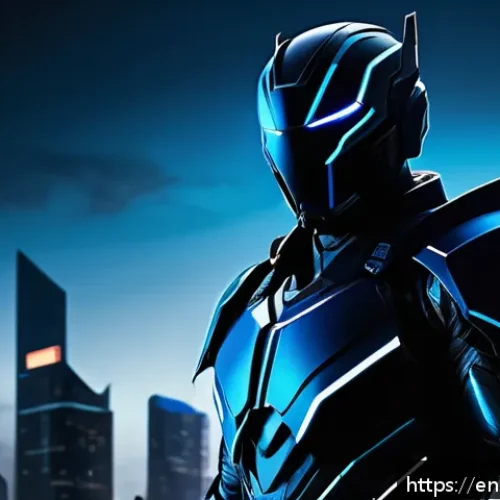
애니메이션 기획사와 학계의 협력 사례 관련 이미지 2

By developing specialized programs and outreach initiatives, universities, often with industry backing, are making animation education more accessible to a broader range of students.

This means actively encouraging individuals from underrepresented backgrounds to pursue careers in animation, providing them with the resources, mentorship, and opportunities they might not otherwise have.

I’ve seen how these partnerships are focused on building a talent pool that reflects the diverse audiences consuming animated content, leading to richer storytelling and more authentic character representation.

Studios are realizing that a diverse workforce brings diverse perspectives, which in turn fuels more creative and universally appealing content. It’s not just about social responsibility; it’s about smart business and ensuring the industry continues to evolve with fresh voices and unique stories.

Collaborative R&D: Accelerating Technological Breakthroughs

This is where things get really exciting for me – the sheer speed at which technological breakthroughs are happening due to these unique collaborations.

It’s not just about one side benefiting; it’s a reciprocal relationship where both animation studios and academic institutions are pushing each other to innovate faster and more profoundly.

I’ve seen studios bring complex production problems to university researchers, who then apply their scientific expertise to find novel solutions. In return, universities gain access to real-world data, production pipelines, and often, funding that allows them to pursue ambitious research projects.

This kind of collaborative R&D is a high-octane engine for progress, especially in areas like real-time rendering, advanced simulation, and AI-driven animation.

It’s like having the best of both worlds: the unbridled creativity and storytelling prowess of the studios, combined with the rigorous scientific inquiry and experimental spirit of academia.

Collaboration Aspect Benefit for Animation Studios Benefit for Academic Institutions Key Technologies Impacted
Talent Development Access to skilled graduates, reduced training time Industry-aligned curriculum, enhanced student employability 2D/3D Animation, Motion Capture, VFX, Game Design
Research & Development Solutions to complex production problems, cutting-edge tools Funding, real-world application for research, enhanced reputation AI, Machine Learning, Real-time Rendering, Physics Simulations
Shared Resources Access to specialized labs & equipment (e.g., Mocap, VR) Increased capacity for ambitious projects, interdisciplinary research Motion Capture Systems, VR/AR Hardware, High-Performance Computing
Innovation & Storytelling New creative techniques, immersive experiences New research avenues in narrative and human interaction Immersive Storytelling (VR/AR), Generative AI for content creation

Unlocking the Power of Real-time Rendering

Real-time rendering has been a game-changer, period. And I can tell you, the strides made in this area are heavily influenced by joint research between academia and industry.

I remember when rendering entire animated sequences took hours, sometimes days. Now, thanks to the incredible work in university labs and its rapid adoption by studios, we’re seeing near-instantaneous feedback during production.

This drastically cuts down on iteration time and allows animators and directors to make creative decisions on the fly, transforming the entire workflow.

I’ve heard from studio execs who’ve implemented real-time rendering that it’s not just about speed; it’s about freeing up creative thought, allowing for more experimentation without the looming dread of long render queues.

Universities are contributing to developing more efficient algorithms and exploring how real-time capabilities can integrate with other emerging technologies like virtual production and interactive experiences, which is truly shaping the future of how animation is made.

Advanced Simulation and Physics Integration

Have you ever wondered how they make water look so realistic, or how cloth drapes just right on a character, or how an explosion feels truly impactful?

A massive part of that magic comes from advanced simulation and physics integration, an area where academic research is absolutely crucial. I’ve been fascinated by how university computer science and physics departments are collaborating with animation studios to develop incredibly sophisticated algorithms that accurately model natural phenomena.

This isn’t just about making things look good; it’s about making them *feel* real, enhancing the immersion for the audience. From complex hair simulations that react realistically to movement to dynamic destruction effects that obey the laws of physics, these collaborations are continually pushing the boundaries of visual fidelity.

The work being done in university labs helps studios achieve stunning visual effects that were once impossible or prohibitively expensive, elevating the overall quality and realism of animated films and games.

It’s a painstaking, scientific process that ultimately serves the art of storytelling beautifully.

Advertisement

Evolving Storytelling: Beyond Traditional Screens

This is perhaps one of the most exciting shifts I’ve observed: animation moving beyond the confines of traditional screens and into entirely new, immersive formats.

It’s a direct outcome of the imaginative convergence of animation studios and forward-thinking academic institutions. We’re not just talking about watching a film anymore; we’re talking about stepping *into* the story, becoming a part of the narrative itself.

This evolution is being driven by incredible advancements in VR, AR, and interactive media, all areas where universities are playing a pivotal role in research and development.

From my personal experience, engaging with these new forms of animated storytelling is a completely different beast – it’s visceral, personal, and utterly captivating.

It truly feels like the next frontier for how we experience narratives, and these partnerships are making it happen.

Interactive Narratives and Immersive Experiences

Forget passive viewing; the future of animation is increasingly interactive, and it’s being pioneered in academic labs with input from industry experts.

I’m talking about experiences where your choices can influence the story, or where you can explore animated worlds at your own pace, uncovering hidden narratives.

Universities are researching the psychological impact of these interactive experiences, understanding how to craft compelling stories within non-linear formats.

This includes everything from choose-your-own-adventure style animated games to fully immersive VR environments where you can walk alongside animated characters.

The New School University’s Parsons MFA Design and Technology program, for example, has collaborated on creating immersive story-driven experiences using games, animations, and virtual reality.

These projects are pushing the boundaries of what storytelling can be, transforming viewers into participants and creating a deeper, more personal connection to the animated world.

It’s a thrilling time to be an animation fan!

Augmented Reality: Blending Digital and Physical Worlds

Augmented Reality (AR) is taking animation out of the screen and into our physical world, creating truly magical and interactive experiences. I’ve been amazed by how universities are researching and developing AR applications for animation, often partnering with studios to explore its commercial and creative potential.

Imagine animated characters popping up in your living room, or interactive elements appearing over real-world objects through your phone or AR glasses.

This isn’t science fiction anymore; it’s happening! AR allows studios to create dynamic, responsive content that can react to a user’s environment in real-time.

Academic studies are even exploring the positive effects of animation-based content supported by augmented reality on academic achievement and motivation in students, demonstrating its powerful potential beyond just entertainment.

The possibilities for marketing, education, and pure creative expression are endless, and these university-industry collaborations are at the forefront of blending digital animation with our everyday reality in incredibly innovative ways.

Cultivating Sustainable Practices and Ethical Innovation

As much as I love talking about cutting-edge tech, I’m also really passionate about the industry growing responsibly. It’s heartening to see that as animation pushes technological boundaries, there’s a growing emphasis on sustainability and ethical considerations.

A significant part of this push is coming from academic institutions working alongside animation studios. They’re not just thinking about how to make things faster or look better, but also how to make them *sustainably* and *responsibly*.

I’ve noticed a real commitment to exploring green animation practices and developing ethical guidelines for new technologies like AI. This dual focus on innovation and integrity is, in my opinion, absolutely essential for the long-term health and reputation of the animation industry.

It reflects a growing awareness that progress shouldn’t come at the expense of our planet or our values.

Embracing Green Animation and Eco-Conscious Production

The environmental impact of digital production, especially high-end rendering, is a real concern, and I’m thrilled to see academic research tackling this head-on with industry partners.

Green animation isn’t just a buzzword; it’s about developing energy-efficient rendering solutions, optimizing workflows to reduce digital waste, and promoting sustainable practices throughout the entire production pipeline.

Universities are researching more efficient algorithms and cloud computing solutions that minimize energy consumption, while studios are eager to adopt these eco-friendly methods.

It’s a collaborative effort to reduce the carbon footprint of animation, which I find incredibly inspiring. This means creating stunning visuals without compromising our planet, aligning the industry with broader global sustainability goals.

I believe this will become an even more critical differentiator for studios in the coming years, as both audiences and talent increasingly demand environmentally responsible practices.

Navigating the Ethics of AI in Creative Fields

The rise of AI in animation, while incredibly exciting, also brings a whole host of ethical questions to the forefront – questions about intellectual property, data ownership, bias in training data, and the authenticity of AI-generated art.

This is precisely where academic institutions are playing a crucial role, often leading the discussions and research into ethical AI development. I’ve seen universities hosting forums and conducting studies that provide vital frameworks for studios to navigate these complex issues responsibly.

It’s about ensuring that as AI becomes a more integral part of the creative process, human creativity and control remain paramount, and that the technology is used in a way that benefits everyone, not just a select few.

This collaborative effort between ethicists, technologists, and artists is critical for shaping a future where AI enhances rather than diminishes the human element of animation, fostering an inclusive and fair environment for all creators.

It’s a delicate balance, but one that these partnerships are diligently working to strike.

Advertisement

Future-Proofing the Industry: Adaptability and Continuous Learning

One thing that’s absolutely clear to me after years of watching the animation industry evolve is that it thrives on change. The studios that succeed are the ones that are agile, adaptable, and constantly learning.

This culture of continuous learning and future-proofing is heavily supported by the symbiotic relationship with academic institutions. It’s not just about one-time collaborations; it’s about building long-term partnerships that foster an environment of ongoing innovation and skill development.

I’ve seen how this ensures that the industry doesn’t just react to trends but actively shapes them, staying perpetually at the cutting edge. It’s truly about investing in intellectual capital and creating a feedback loop where theoretical advancements quickly find practical application, and real-world challenges drive new academic inquiry.

This commitment to staying ahead is what will keep animation vibrant and relevant for decades to come, constantly surprising us with new wonders.

Embracing Interdisciplinary Approaches

The animation industry today is far from a siloed field; it’s a vibrant crossroads of art, technology, storytelling, and even psychology. This interdisciplinary nature is something that universities, by their very design, are uniquely positioned to foster, often in direct collaboration with studios.

I’ve noticed a strong trend towards programs that encourage students to cross traditional departmental boundaries, blending animation with computer science, game design, engineering, and even humanities.

This creates animators who are not just skilled in one area but possess a broader understanding of the diverse elements that contribute to a successful animated project.

It’s about breaking down barriers and encouraging a holistic approach to creativity and problem-solving, which is exactly what modern animation demands.

This kind of broad thinking leads to truly innovative outcomes, pushing animation into exciting new territories that blend different disciplines in unexpected ways.

Investing in Lifelong Learning for Professionals

It’s not just students who benefit from these academic-industry ties; experienced professionals are also finding new avenues for growth and skill enhancement.

The pace of technological change means that even seasoned animators and directors need to continuously update their toolsets and knowledge. I’ve observed a rise in specialized workshops, executive education programs, and collaborative research opportunities offered by universities, often designed in partnership with studios, to help professionals stay current.

This commitment to lifelong learning ensures that the existing workforce remains competitive and adaptable, able to integrate new technologies like advanced AI or immersive storytelling techniques seamlessly into their practice.

It’s about fostering a culture where learning isn’t confined to early career stages but is an ongoing journey, crucial for navigating the ever-evolving landscape of animation.

This continuous investment in human capital is, in my opinion, one of the smartest strategies for ensuring the long-term success and vitality of the entire industry.

And there you have it, folks! It’s been an absolute thrill to pull back the curtain on how animation studios and academic powerhouses are teaming up to literally redefine what’s possible in our beloved industry. From nurturing the next generation of storytellers to pioneering breakthroughs in AI and immersive experiences, this synergy is the vibrant heartbeat of animation’s future. I truly believe that by fostering these deep connections, we’re not just watching the industry evolve; we’re actively participating in building a more creative, innovative, and responsible tomorrow for animated art. Keep an eye out, because the best, most breathtaking stories are yet to come!

Valuable Insights to Keep in Mind

1. Embrace Lifelong Learning: The animation industry is always evolving at lightning speed, so commit to continuously updating your skills. Whether it’s through online courses, specialized workshops, or university-led professional development programs, staying curious and adapting is truly the secret sauce for maintaining relevance and opening up new opportunities in this dynamic field.

2. Network, Network, Network: Don’t underestimate the power of connections! Actively attend industry events, engage with professionals on platforms like LinkedIn, and leverage university alumni networks. Many of the most incredible collaborations and job opportunities I’ve seen arise directly from the relationships you build, so put yourself out there and connect with fellow creatives and innovators.

3. Explore Interdisciplinary Skills: Think beyond just animation! Learning about coding, game design, user experience (UX) principles, psychology, or even advanced physics can give you an incredibly unique edge. A diverse skillset not only makes you more adaptable but can also unlock new creative pathways and problem-solving approaches you might not have considered before, making you an invaluable asset.

4. Understand AI as a Partner: Instead of fearing the advancements in artificial intelligence, learn how to embrace and leverage it as a powerful assistant. AI tools are becoming adept at streamlining mundane, repetitive tasks, freeing you up to focus on the truly creative and nuanced aspects of animation. The future will undoubtedly involve artists and AI collaborating to push creative boundaries, so empower your artistry with this new technology.

5. Champion Ethical Practices: As technology rapidly advances, ethical considerations become more crucial than ever. Be informed about sustainable production methods, actively advocate for responsible data usage, and understand the implications of AI in creative fields. Your voice and choices can significantly contribute to fostering a more responsible, inclusive, and equitable industry for all creators and audiences alike.

Advertisement

Key Takeaways

Ultimately, the powerful fusion of animation studios and academic research is propelling the industry into an incredibly exciting and dynamic future. We’re witnessing a profound synergy that not only nurtures a new generation of highly skilled, industry-ready professionals but also catalyzes groundbreaking technological advancements, from sophisticated AI applications to truly immersive VR and AR experiences. This collaborative spirit is absolutely foundational to addressing complex creative and technical challenges, while simultaneously fostering a crucial commitment to ethical innovation and sustainable production practices. It’s truly a win-win situation, creating a resilient, adaptable, and endlessly creative animation landscape where cutting-edge science and heartfelt storytelling converge to deliver unparalleled experiences for audiences worldwide. This continuous evolution, fueled by shared knowledge and resources, ensures animation will remain at the forefront of entertainment and communication for decades to come, constantly surprising and engaging us with new wonders.

Frequently Asked Questions (FAQ) 📖

Q: What specific innovations are we actually seeing pop up from these amazing university-studio hook-ups?

A: Oh, this is where it gets really exciting! From my perspective, these partnerships are like a supercharged incubator for creativity and tech. We’re seeing groundbreaking stuff, especially in areas like AI and machine learning.
Think about it: universities are exploring AI algorithms that can automate tedious parts of the animation process, like in-betweening frames or even generating realistic crowd simulations, freeing up artists to focus on the really creative, nuanced work.
I’ve noticed a huge leap in motion capture technology too. Academic research is helping studios refine Mo-Cap suits to capture even the most subtle facial expressions and body movements with incredible accuracy, making characters feel more alive than ever.
And let’s not forget the immersive tech – VR and AR. These collaborations are pushing the boundaries of how we create and experience animated worlds, not just for the audience, but for the animators themselves, who can now sculpt and interact with their 3D models in a completely spatial environment.
It’s truly mind-blowing to see these formerly “sci-fi” concepts becoming everyday tools in the studio, all thanks to this brilliant academic synergy!

Q: How do these collaborations truly benefit students and aspiring animators who are just starting their journey?

A: This is honestly one of my favorite aspects of these partnerships because it’s all about nurturing the next generation! For students, it’s an unparalleled opportunity to get hands-on experience with real-world studio pipelines and cutting-edge projects before they even graduate.
I’ve seen so many students gain invaluable insights, learn industry-standard software directly from pros, and even contribute to actual productions. It’s not just about technical skills either; they learn about teamwork, meeting deadlines, and understanding the commercial realities of animation.
Plus, these experiences often lead directly to internships, and even job offers, giving them a massive head start in a highly competitive industry. It’s like getting a golden ticket!
And for the faculty, they get to bring this fresh, industry-relevant knowledge back to the classroom, ensuring that their curriculum is always aligned with what studios actually need.
It’s a win-win situation that builds a stronger, more skilled workforce for the entire animation industry.

Q: Are there any challenges or potential downsides to these university-studio partnerships that we should be aware of?

A: That’s a super important question, because no venture is without its bumps in the road, right? While the benefits are huge, from my experience, some challenges do pop up.
One common hurdle can be balancing academic research timelines with demanding production schedules. Universities often work on longer research cycles, while animation studios operate under tight deadlines, which can sometimes create friction in terms of project scope and delivery.
Another thing I’ve noticed is intellectual property (IP) rights. When innovative tools or techniques are developed jointly, figuring out who owns what, and how it can be commercialized, requires careful negotiation from the start.
And let’s be real, sometimes the cultural gap between a research-focused academic environment and a fast-paced creative studio can be a bit tricky to navigate.
However, the good news is that both sides are usually incredibly invested in making these partnerships work, so they actively seek solutions. Open communication and clear agreements are key to overcoming these challenges and ensuring these exciting collaborations continue to thrive!